


Can people with hypertension consume red ginseng?
Aug 24, 2022
Source: Cainiu Health

Dr. Li Man
Introduction
Hypertensive patients should avoid consuming red ginseng, as certain components in red ginseng may elevate blood pressure and impair blood pressure control. In addition to avoiding red ginseng, hypertensive patients should minimize their intake of foods high in cholesterol, saturated fatty acids, and trans fatty acids in daily meals, and should also avoid processed or pickled foods. Furthermore, hypertensive patients must strictly limit their daily sodium intake.
In real life, hypertension adversely affects the physical health of many patients and significantly impairs their quality of life. It is therefore essential to initiate treatment early—while the condition is still mild—and to pay close attention to dietary habits. So, can individuals with hypertension consume red ginseng?
Can individuals with hypertension consume red ginseng?
Individuals with hypertension should avoid consuming red ginseng. Certain components in red ginseng may elevate blood pressure, thereby compromising blood pressure control. In addition to avoiding red ginseng, hypertensive patients should minimize intake of foods high in cholesterol, saturated fatty acids, and trans fatty acids, and should also avoid processed or pickled foods. Sodium intake must be strictly controlled: clinically, daily sodium (salt) intake should be limited to 6 grams or less. Patients are encouraged to consume potassium-rich, low-sodium foods; high-fiber whole grains and coarse cereals; and skim milk.

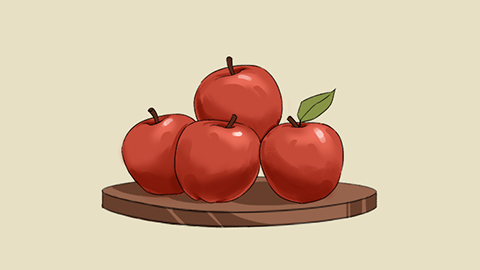
Hypertensive patients may include fresh vegetables and fruits, small amounts of dairy products, soy-based foods, and nuts in their diet—these help increase intake of potassium, calcium, and magnesium, which supports blood pressure control. Daily meals may incorporate bananas, apples, oranges, lemons, celery, spinach, and laver (seaweed). Protein intake should be moderately increased, while fat intake is reduced. Salt consumption must be carefully controlled, and total caloric intake regulated to prevent obesity. Overweight or obese individuals should pursue weight loss through dietary management and appropriate physical activity. Antihypertensive medications should be selected based on the patient’s blood pressure level and any coexisting medical conditions.
Patients experiencing symptoms of hypertension should seek timely medical evaluation and treatment to prevent progression to more serious complications. We hope this information has been helpful.







