


What medications should be taken for cough due to bronchiectasis?
Aug 24, 2022
Source: Cainiu Health

Dr. Guo Xiheng
Introduction
Bronchiectasis-related cough is triggered by phlegm irritating the bronchi and can be treated with medications such as fenoterol, bromhexine, ambroxol, and acetylcysteine. Fenoterol is a bronchodilator. In patients with bronchiectasis, the bronchi are filled with mucus and accompanied by bronchial swelling, which increases airway resistance and leads to symptoms such as chest tightness and shortness of breath. Bromhexine and ambroxol are mucolytic and expectorant agents.
Bronchiectasis is an irreversible dilation of one or more bronchi caused by chronic airway injury, resulting in destruction of the muscular and elastic supporting tissues of the bronchial wall. So, what medications can be used to treat cough associated with bronchiectasis?
Medications for Cough in Bronchiectasis
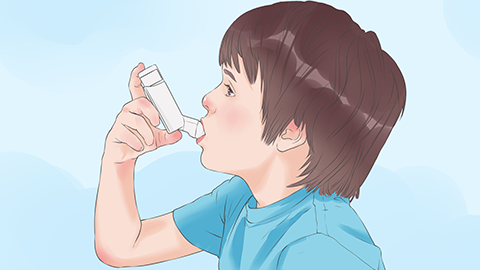
Cough in bronchiectasis is triggered by sputum irritating the bronchi. Treatment options include fenoterol, bromhexine, ambroxol, and acetylcysteine. Fenoterol is a bronchodilator that helps reduce airway resistance—often elevated in bronchiectasis due to both excessive sputum accumulation and bronchial swelling—thereby alleviating symptoms such as chest tightness and shortness of breath. Bromhexine, ambroxol, and acetylcysteine are mucolytic agents that help thin and clear mucus.
Clinically, bronchiectasis presents as chronic cough with copious purulent sputum production and recurrent hemoptysis, potentially leading to respiratory dysfunction and chronic cor pulmonale. Bronchiectasis is a serious condition that must not be overlooked. Regular physical activity and appropriate exercise—such as jogging, walking, or tai chi—can enhance cold resistance, boost immunity, and reduce infection frequency. When going outdoors, patients should wear masks for protection.

Patients should routinely perform airway clearance techniques to promote sputum expectoration, maintain consistent secretion removal, strengthen immune function, and improve overall disease resistance. We hope this information proves helpful to you.





