


Treatment of Pulmonary Tuberculosis
Aug 24, 2022
Source: Cainiu Health

Dr. Guo Xiheng
Introduction
Treatment of pulmonary tuberculosis includes symptomatic therapy. For high fever, physical cooling methods or antipyretic-analgesic agents may be appropriately used, provided that intensive anti-tuberculosis treatment is being administered—particularly in cases of hematogenous disseminated pulmonary tuberculosis and tuberculous meningitis. Patients with cough should receive antitussive and expectorant therapy; for mild hemoptysis, small doses of sedatives and antitussives may be administered.
Tuberculosis (TB) is a chronic infectious disease that has been prevalent in recent years. The clinical manifestations of this disease are determined by both the virulence of the causative organism—*Mycobacterium tuberculosis*—and the individual’s own immune resistance; accordingly, treatment strategies also vary.
Treatment of Pulmonary Tuberculosis
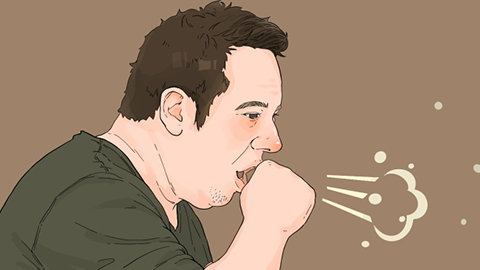
Management of pulmonary tuberculosis includes symptomatic treatment. For patients with high fever, physical cooling measures or antipyretic-analgesic agents may be used appropriately, provided that intensive anti-tuberculosis therapy is already underway. This approach applies particularly to cases of hematogenous disseminated pulmonary tuberculosis and tuberculous meningitis. Patients with cough should receive antitussive and expectorant therapy. In cases of mild hemoptysis, small doses of sedatives and antitussives may be administered. However, antitussive medications must be used cautiously in elderly, frail, or patients with compromised pulmonary function, as excessive suppression of the cough reflex or respiratory center may impede expectoration of blood clots and lead to asphyxiation. Mild, intermittent chest pain generally does not require specific treatment; however, when chest pain is severe, appropriate analgesics may be administered.
Fever is a common symptom of pulmonary tuberculosis. During active disease, patients typically experience persistent fever. Some develop low-grade fever, with body temperature rarely exceeding 38°C. Fever often peaks in the afternoon or evening and may resolve spontaneously by morning. As the disease progresses, however, patients may develop high fever reaching 39°C or even 40°C.

Patients are advised to consume ample fresh fruits and vegetables, limit intake of high-fat foods, and avoid spicy or irritating foods. We hope this information is helpful to you.



