


How long can one live after being cured of tuberculosis?
Dec 03, 2025
Source: Cainiu Health

Dr. Ren Yi
Introduction
For patients with ordinary tuberculosis, if the disease is detected early and treated properly, the lesions can be completely absorbed or calcified, and life expectancy is similar to that of healthy individuals, reaching 40–60 years. Multidrug-resistant tuberculosis is more difficult to treat; however, with an effective treatment regimen and good adherence, patients may still survive for 20–40 years, although adverse reactions during treatment may be more frequent.
Generally, the survival time after successful treatment of tuberculosis depends on the severity of the disease, treatment effectiveness, and individual health conditions. Most patients can live for several decades. If any abnormalities occur, prompt medical attention is recommended. Detailed analysis is as follows:
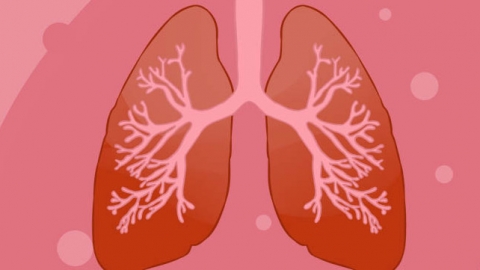
For patients with ordinary tuberculosis who are diagnosed early and receive standardized treatment, lesions may be completely absorbed or calcified, resulting in a life expectancy similar to that of healthy individuals—typically 40 to 60 years. Multidrug-resistant tuberculosis (MDR-TB) is more difficult to treat; however, with an effective regimen and good treatment adherence, patients may still survive for 20 to 40 years, although adverse effects during treatment may be more common.
Patients with severe tuberculosis often have extensive lung damage. If treatment outcomes are poor, their survival time may be limited to 5–10 years due to irreversible impairment of lung function and a high risk of complications such as respiratory failure. Younger patients without underlying diseases and with strong immune systems generally have better physical reserves, tolerate treatment side effects more effectively, and thus tend to survive longer. In contrast, elderly or frail individuals with chronic comorbidities may have a shorter survival period.
After recovery from tuberculosis, regular follow-up examinations are necessary, including chest X-rays or CT scans and sputum smear tests, to monitor for disease recurrence. Additionally, maintaining a balanced diet, engaging in moderate exercise, quitting smoking, limiting alcohol consumption, and avoiding crowded places can help reduce the risk of relapse.


