


I have synovitis and rheumatoid arthritis—what department should I visit?
Aug 24, 2022
Source: Cainiu Health

Dr. Lin Yunfei
Introduction
Patients with both synovitis and rheumatoid arthritis should visit the Orthopedics or Joint Surgery Department. Some secondary-level hospitals can diagnose and treat orthopedic conditions, whereas tertiary-level hospitals offer specialized care in either Orthopedics or Joint Surgery. Synovitis is characterized by edema of the synovial membrane triggered by cold exposure, trauma, or joint degeneration, leading to synovial thickening and joint effusion. In some patients, the initial manifestations of rheumatoid arthritis may not involve the joints; instead, symptoms may first appear as ocular or cutaneous abnormalities.
When it comes to synovitis and rheumatoid arthritis, many people may have some basic understanding—but not everyone is fully aware of rheumatoid arthritis. Currently, the number of individuals diagnosed with this condition continues to rise; therefore, it is advisable to gain timely and comprehensive knowledge about rheumatoid arthritis so that early signs can be recognized immediately upon onset. So, which department should one visit if experiencing both synovitis and rheumatoid arthritis?
Which Department Should One Visit for Synovitis and Rheumatoid Arthritis?
Patients with synovitis and rheumatoid arthritis should consult either the Orthopedics Department or the Joint Surgery Department. In some secondary-level hospitals, orthopedic specialists can diagnose and treat these conditions, while tertiary-level hospitals typically offer dedicated Orthopedics or Joint Surgery departments. Synovitis is characterized by edema of the synovial membrane triggered by cold exposure, trauma, or joint degeneration—leading to synovial thickening and accumulation of fluid within the joint cavity. Notably, some patients’ initial symptoms may not involve joint manifestations typical of rheumatoid arthritis; instead, they may present with ocular or cutaneous abnormalities, gastrointestinal symptoms (e.g., diarrhea), or even anxiety and shortness of breath.
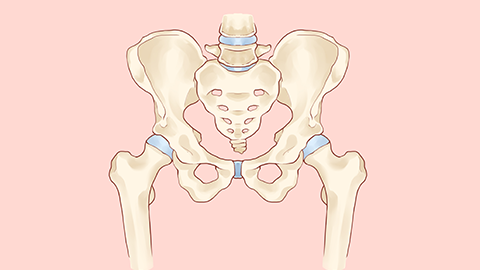
Synovitis results from a variety of adverse factors—including physical, biological, chemical, and immunological triggers—that cause synovial hyperplasia and increased synovial fluid secretion, leading to a constellation of clinical symptoms. Rheumatoid arthritis is an inflammatory joint disease primarily driven by autoimmune dysfunction of the rheumatic-immune system.
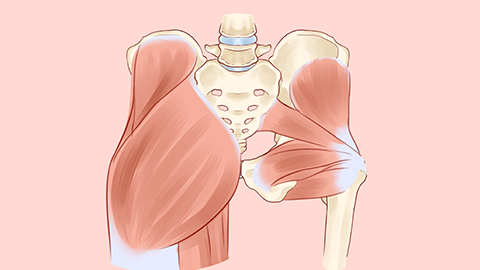
In daily life, patients should maintain a positive mindset, actively cooperate with their physicians during treatment, adhere strictly to prescribed medication regimens (both in terms of dosage and timing), and pay close attention to routine self-care—so as to facilitate prompt improvement of their condition. We hope this response has been helpful to you.





