


Is synovial hyperplasia the same as synovitis?
Aug 24, 2022
Source: Cainiu Health

Dr. Lin Yunfei
Introduction
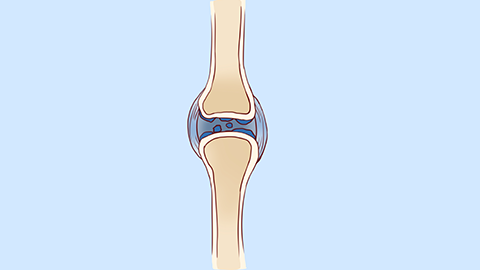
Synovial hyperplasia is synovitis. It is commonly caused by chronic, recurrent inflammatory stimulation of the synovium—particularly in the early stage of synovitis, when synovial hyperemia and edema occur, leading to increased exudate and joint effusion. Repeated episodes of inflammation subject the synovium within the joint to persistent inflammatory stimulation, resulting in synovial thickening and, ultimately, synovial hyperplasia.
This may be due to the cold temperature. In the human body’s joint areas—where soft tissue coverage is relatively thin—and especially in the distal extremities, patients may not be wearing sufficient clothing, making these areas particularly susceptible to cold exposure. Once exposed to cold, it commonly triggers synovial hyperplasia within the joint, leading to joint pain. Is synovial hyperplasia synonymous with synovitis?
Is Synovial Hyperplasia Synonymous with Synovitis?
Yes, synovial hyperplasia is a manifestation of synovitis. It typically results from chronic, recurrent inflammatory stimulation of the synovium. Especially in the early stages of synovitis, synovial congestion and edema occur, causing increased exudate production and joint effusion. Repeated episodes of inflammation subject the intra-articular synovium to persistent inflammatory stimulation, ultimately resulting in synovial thickening and subsequent hyperplasia. Therefore, once this condition develops, patients should prioritize keeping warm in daily life, avoid trauma to the osteoarticular regions, and refrain from excessive or high-stress joint activities to prevent worsening of synovial hyperplasia.
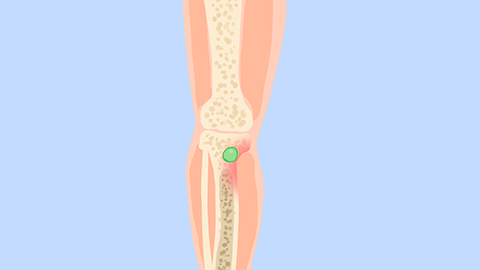
Surgical treatment: If conservative management proves ineffective, arthroscopic minimally invasive surgery may be required to remove the hyperplastic synovium and alleviate clinical joint symptoms. With the above approaches, synovial hyperplasia can be significantly improved, and joint function will gradually recover. However, delayed treatment may lead to substantial impairment of joint function, adversely affecting daily life.
In daily life, patients should maintain a positive mindset, actively cooperate with their physicians during treatment, take prescribed medications on time and in the correct dosage, and pay close attention to routine self-care—thus facilitating prompt improvement of their condition. We hope this response has been helpful to you.


