


How to Treat Synovitis
Aug 24, 2022
Source: Cainiu Health

Dr. Lin Yunfei
Introduction
Synovitis is a condition affecting the joints, with various causes—such as knee synovitis. First, it is essential to identify the underlying cause of synovitis, whether it be degenerative osteoarthritis, gouty arthritis, or rheumatoid arthritis. These conditions can lead to knee swelling and synovial hyperplasia; once local symptoms are controlled, management of the underlying cause—such as osteoarthritis—must follow.
Synovitis is a common condition, primarily affecting the knee joint. The knee is a synovial-rich, large-surfaced, and structurally complex joint—making it particularly susceptible to injury and infection. Synovitis clearly harms both patients and society; therefore, prompt treatment is essential upon diagnosis. So, how can synovitis be effectively treated?
How to Treat Synovitis Effectively
Synovitis is not a disease in itself but rather a symptomatic manifestation of various underlying joint disorders—such as knee synovitis. First, identifying the root cause is critical: whether it stems from degenerative osteoarthritis, gouty arthritis, or rheumatoid arthritis. These conditions trigger knee swelling and synovial hyperplasia. Once local symptoms are controlled, addressing the underlying pathology becomes paramount. For instance, in osteoarthritis, treatment focuses on cartilage protection and bone health improvement. In gouty arthritis, uric acid–lowering therapy is required to reduce urate crystal deposition within the joint. Rheumatoid arthritis necessitates systemic anti-rheumatic and anti-inflammatory treatment to alleviate synovitis; for severe pain, analgesics and anti-inflammatory medications may also be used. In refractory cases, minimally invasive “small needle-knife” therapy may be considered.
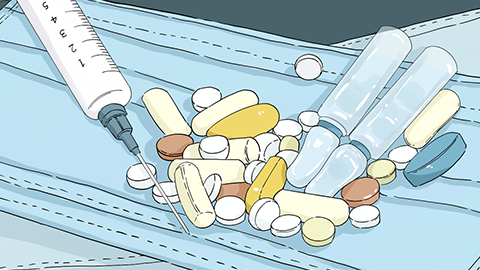
Pharmacological management includes both oral medications and topical ointments. Acute synovitis requires rapid anti-inflammatory intervention—typically with oral nonsteroidal anti-inflammatory drugs (NSAIDs) and analgesics. Chronic synovitis benefits from traditional Chinese medicine (TCM) regulation—for example, herbal formulas that strengthen the spleen and resolve dampness, nourish yin and promote fluid metabolism, tonify qi and replenish fluids, or invigorate blood circulation and reduce swelling. Concurrently, physical activity should be minimized. In TCM practice, external application of medicated plasters is advocated to enhance local blood circulation and facilitate reabsorption of joint effusion.
In daily life, avoid activities that risk trauma or overuse injuries; minimize weight-bearing and repetitive flexion–extension movements of the knee to prevent onset or recurrence of knee synovitis. We hope this information proves helpful to you.






