


Does synovitis require knee replacement?
Aug 24, 2022
Source: Cainiu Health

Dr. Lin Yunfei
Introduction
Synovitis does not require knee replacement. Typically, joint replacement surgery is considered for patients with severe knee osteoarthritis accompanied by marked joint deformity, to restore normal joint function. Isolated synovitis generally does not necessitate joint replacement surgery. Patients may opt for pharmacological treatment, and when combined with certain physical therapies, synovial hyperplasia and degeneration can be effectively controlled.
When suffering from knee synovitis, failure to receive timely treatment can significantly impact a patient’s work and daily life, causing considerable inconvenience. Therefore, patients with knee synovitis should engage in appropriate physical exercise in daily life to prevent disease progression. So, does synovitis require knee replacement?
Is Knee Replacement Necessary for Synovitis?
Synovitis does not require knee replacement. Typically, joint replacement surgery is considered only for severe cases of knee osteoarthritis accompanied by pronounced joint deformity, aiming to restore normal joint mobility. Simple synovitis generally does not necessitate joint replacement. Instead, patients may opt for pharmacological treatment. Combined with certain physical therapies, this approach can effectively control synovial hyperplasia and degeneration, reduce inflammatory responses, and gradually absorb joint effusion—thereby alleviating associated symptoms such as pain, soreness, swelling, and restricted movement. If synovitis is particularly severe or recurrent, minimally invasive surgical intervention—such as synovial debridement—may be considered to relieve corresponding symptoms.
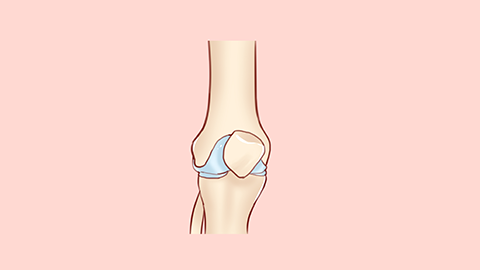
The knee joint itself serves as a protective structure in the human body; swelling and edema indicate underlying joint pathology. Knee periostitis (note: the original Chinese text appears to conflate “synovitis” and “periostitis”; however, context suggests “synovitis” is intended throughout—thus “knee synovitis” is used here for clinical accuracy) arises from multiple factors—including prolonged overuse, skin infections near the joint spreading to the synovium, or bacterial infection of the synovium—leading to tenderness, swelling, and impaired mobility. Treatment for synovitis primarily focuses on anti-inflammatory and analgesic measures, and patients must ensure adequate rest to support recovery.
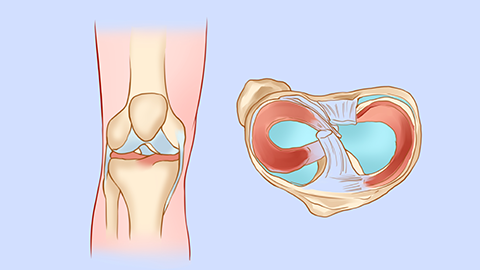
In daily life, patients should maintain a positive attitude, actively cooperate with their physicians, take prescribed medications consistently and as directed, and emphasize routine self-care—so as to promote prompt improvement of their condition. We hope this response has been helpful to you.






