


Symptoms of Cerebral Arteriosclerosis
Aug 24, 2022
Source: Cainiu Health
Dr. Zhang Jianbin
Introduction
The most common symptom is dizziness—some patients experience dizziness upon standing up from a squatting position, others upon getting out of bed, and still others after work. Therefore, once this symptom appears, appropriate diagnostic tests must be promptly performed. Headache is the next most frequent symptom; in some cases, headache may result from a series of hemorrhagic lesions. Some individuals may also experience transient limb numbness and weakness, typically resolving within 1–2 minutes.
Cerebral arteriosclerosis primarily affects elderly individuals. If left untreated, it can easily lead to cerebral infarction or even cerebral atrophy. Some patients may develop neurasthenia and arteriosclerotic dementia. This condition typically occurs in middle-aged and older men over 40 years of age. So, what are the symptoms of cerebral arteriosclerosis?
Symptoms of Cerebral Arteriosclerosis
The most common symptom is dizziness. Some individuals experience dizziness upon standing up after squatting; others feel dizzy upon waking up in the morning; still others become dizzy after prolonged work. Therefore, once such symptoms appear, relevant diagnostic examinations should be promptly undertaken. Headache is another frequent symptom—sometimes arising from hemorrhagic lesions. Some patients may also experience transient limb numbness and weakness; however, these symptoms are usually temporary and often resolve gradually within 1–2 minutes. Nevertheless, if left uncontrolled, such episodes may recur repeatedly and carry a high risk of progressing to cerebral infarction.
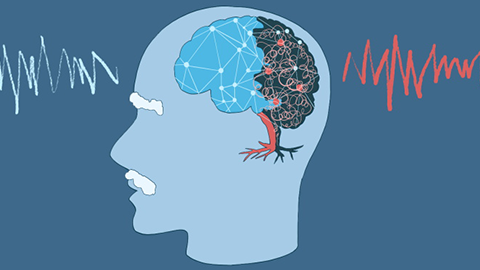
Firstly, maintain a balanced routine combining work and rest, adhere to regular daily habits, avoid emotional agitation, and engage in moderate physical exercise. For patients with dementia, psychiatric disorders, or mobility difficulties, enhanced daily care is essential. Secondly, adopt dietary control: limit intake of animal fats and foods high in cholesterol—such as egg yolks, fatty meats, and organ meats—and avoid excessive sugar consumption. Instead, increase intake of vegetables, fruits, and seaweed.

Eliminate all unhealthy habits—especially smoking—as nicotine in tobacco induces arterial spasm and may even cause arterial ischemia and cerebral infarction. We hope this information proves helpful to you.







