


Main Symptoms of Post-Stroke Sequelae
Aug 24, 2022
Source: Cainiu Health

Dr. He Haochen
Introduction
Post-stroke sequelae include motor dysfunction, sensory impairment, cognitive impairment, and speech disorders. Typically, motor dysfunction primarily manifests as hemiplegia—for example, an inability to grasp objects or write; sensory impairment may present as numbness or pain on one side of the body; and cognitive impairment may involve failure to recognize family members or inability to perform simple arithmetic operations such as addition and subtraction.
Stroke is a common condition among the elderly, primarily caused by insufficient blood supply to the brain. Once symptoms appear, various abnormalities may arise—such as circulatory disturbances—that can impair normal brain function. Stroke significantly disrupts daily life and may also impose burdens on other family members. So, what are the main symptoms of post-stroke sequelae?
Main Symptoms of Post-Stroke Sequelae
Symptoms of post-stroke sequelae include motor dysfunction, sensory impairment, cognitive deficits, speech disorders, and swallowing difficulties. Typically, motor dysfunction manifests as hemiplegia—for example, an inability to grasp objects or write. Sensory impairment may present as numbness or pain affecting one side of the body. Cognitive deficits may involve failure to recognize family members or difficulty performing simple arithmetic operations (e.g., addition and subtraction). Speech disorders refer to difficulties either expressing thoughts or comprehending spoken language. Swallowing disorders mean patients cannot drink or eat normally and are at increased risk of choking.
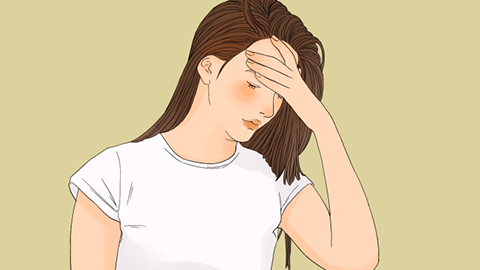
Common clinical manifestations of post-stroke sequelae include hemiplegia, slurred speech, dizziness, diplopia (double vision), memory decline, and sleep disturbances. In severe cases—where extensive damage to brain neurons occurs—life-threatening complications such as cardiac arrhythmias or sudden respiratory arrest may develop, potentially resulting in physical disability, communication impairments, psychiatric disorders, and loss of self-care ability. Some patients may also experience sleep disturbances; those with stroke who exhibit any of the above symptoms require physical rehabilitation therapy.
Patients are advised to maintain a balanced and appropriate diet—a crucial aspect of daily care. Avoid spicy or irritating foods, greasy foods that are difficult to digest and absorb, and raw or cold foods. We hope this information proves helpful to you.








