


Are cold hands and feet a sign of yin deficiency or yang deficiency?
Aug 24, 2022
Source: Cainiu Health

Dr. He Haochen
Introduction
If viewed solely from the perspectives of yin deficiency or yang deficiency, cold hands and feet are a manifestation of yang deficiency—not yin deficiency. Yin deficiency and yang deficiency are TCM concepts used to summarize specific pathological states of the human body. Yang deficiency primarily results from diminished warming and nourishing functions of qi, leading to insufficient yang qi to warm the body surface and internal organs, thereby producing a constellation of symptoms characteristic of cold patterns—such as cold hands and feet and generalized intolerance to cold.
Yin deficiency and yang deficiency are common syndromes in Traditional Chinese Medicine (TCM), yet most people have limited understanding of them and are unclear about their differences. Although yin or yang deficiency may not cause obvious discomfort, they can severely impair physical health and progressively weaken one’s constitution. So, does cold hands and feet indicate yin deficiency or yang deficiency?
Do cold hands and feet indicate yin deficiency or yang deficiency?
From the perspective of either yin or yang deficiency alone, cold hands and feet are a manifestation of yang deficiency—not yin deficiency. In TCM, yin deficiency and yang deficiency describe specific pathological states of the body. Yang deficiency primarily results from diminished warming and nourishing functions of qi, leading to insufficient yang qi to warm both the body surface and internal organs. This gives rise to a cluster of symptoms characteristic of “cold patterns,” such as cold hands and feet and general intolerance to cold. Individuals with yang deficiency should avoid cold water or chilled beverages, as these may trigger abdominal pain or diarrhea.
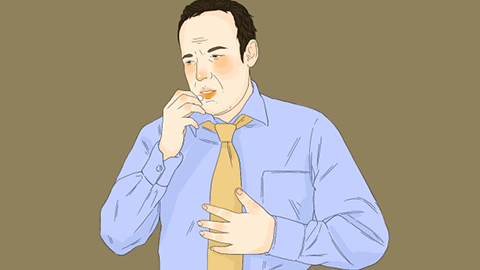
Yin deficiency, by contrast, arises mainly from insufficiency of yin fluids in the body and is characterized by a series of dryness-related symptoms—including dry mouth, dry eyes, dry stools, and dry skin. The tongue typically appears red, with little or no coating, or exhibits numerous fissures on its surface. Therefore, strictly speaking from the standpoint of yin versus yang deficiency, symptoms like dry mouth fall under yin deficiency, whereas cold hands and feet reflect yang deficiency.
In daily life, maintain regular dietary habits—avoid spicy, stimulating foods and overeating, and refrain from staying up late. We hope this explanation proves helpful to you.


