


What symptoms are associated with yin deficiency and blood heat?
Aug 24, 2022
Source: Cainiu Health

Dr. Zhao Haiming
Introduction
The Yin-deficiency with Blood-Heat pattern is primarily caused by Kidney-Yin deficiency, which leads to deficient fire. Specifically, the Kidney is regarded as the “gate of life,” housing both True Yin and True Yang. When Kidney-Yin becomes deficient, water fails to control fire, resulting in hyperactivity of Heart-Fire. As the Heart governs the blood vessels, excessive Heart-Fire scorches the vessels, thereby producing the Yin-deficiency with Blood-Heat pattern and its associated manifestations.
Yin deficiency with blood heat is a common pathological pattern in Traditional Chinese Medicine (TCM). It primarily arises from kidney yin deficiency. When kidney yin is insufficient, the body’s “water” fails to control or counterbalance “fire,” and since the heart governs the blood vessels, excessive heart fire scorches the vessels, resulting in the pattern of yin deficiency with blood heat. So, what are the symptoms of yin deficiency with blood heat?
Symptoms of Yin Deficiency with Blood Heat
This pattern is mainly caused by kidney yin deficiency, which leads to deficient fire (i.e., “false fire” or “empty fire”). The kidneys are regarded in TCM as the “root of life,” housing both true yin and true yang. When kidney yin becomes depleted, water cannot subdue fire, causing heart fire to become excessively active. As the heart governs the blood vessels, hyperactive heart fire scorches the vessels, thereby producing the syndrome of yin deficiency with blood heat. Systemically, manifestations may include flushed cheeks with tidal fever, heat sensation in the palms, soles, and chest (“five-center heat”), insomnia at night, dry throat, dry mouth, and reddened lips.
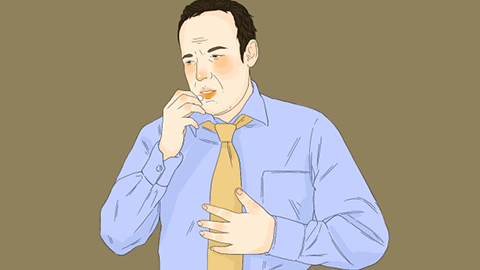
In women, this pattern may present as early menstruation, with normal or reduced menstrual flow and bright red blood. In men, it may manifest as erectile dysfunction or premature ejaculation. On tongue examination, the tongue appears red with little or no coating—or possibly patchy, peeled coating. The pulse is typically fine and rapid. Individuals with yin-deficient constitutions should consume light, nourishing, cooling, moistening, and yin-tonifying foods—such as fresh vegetables, seasonal fruits, high-fiber and vitamin-rich foods, and high-quality protein sources.

Patients are advised to avoid spicy, pungent, warming, aromatic, fried, greasy, high-fat, and high-carbohydrate foods. We hope this information is helpful to you.


