


Can kidney yin deficiency and kidney yang deficiency be treated simultaneously?
Aug 24, 2022
Source: Cainiu Health

Dr. He Haochen
Introduction
Kidney yin deficiency and kidney yang deficiency can be treated simultaneously. When a patient presents with concurrent yin and yang deficiency, the condition is termed “dual yin-yang deficiency.” Symptoms of dual yin-yang deficiency include low mood or depression, fatigue, weakness in the lower back and knees, qi deficiency manifesting as lethargy and reluctance to speak, and coldness in the limbs. The presence of these symptoms indicates dual yin-yang deficiency. In such cases, treatment should aim to tonify both yin and yang. Modified Bawei Dihuang Wan (Rehmannia Eight Formula with Cinnamon and Aconite) may be used for this purpose.
Modern living standards have improved significantly; however, people’s immune function has declined. Many individuals neglect regular physical exercise and pay insufficient attention to their diet, leading to an increased incidence of various diseases—including kidney deficiency, a common clinical syndrome. Yet, kidney deficiency is categorized into two distinct patterns: kidney yin deficiency and kidney yang deficiency—concepts unfamiliar to many. Can both kidney yin and kidney yang deficiencies be treated simultaneously?
Can Kidney Yin Deficiency and Kidney Yang Deficiency Be Treated Together?
Yes, kidney yin deficiency and kidney yang deficiency can indeed be addressed concurrently. When a patient presents with concurrent symptoms of both yin and yang deficiency, the diagnosis is termed “dual yin-yang deficiency.” Clinical manifestations of dual yin-yang deficiency include low mood or depression, fatigue, weakness in the lower back and knees, shortness of breath with minimal exertion, reluctance to speak (due to qi deficiency), and cold extremities. If a patient exhibits these symptoms, dual yin-yang deficiency is likely present. Treatment should therefore aim to tonify both yin and yang. Formulas such as Yougui Wan (Rehmannia Eight Formula with Cinnamon and Aconite) or Jinkui Shenqi Wan (Golden Cabinet Kidney Qi Pill) may be prescribed, with modifications tailored to the individual’s condition. During treatment, patients must pay close attention to dietary habits: avoid excessively cold or spicy foods, as these may exacerbate the condition and impede recovery.
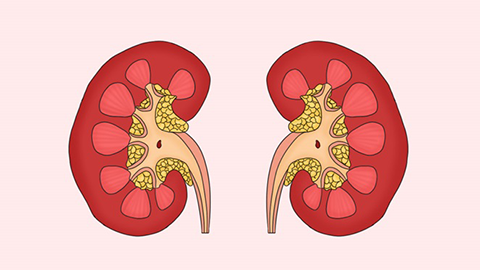
Daily routines should be regular and disciplined. Avoid staying up late, excessive alcohol consumption, and smoking—all of which are detrimental habits that may worsen the condition. In Traditional Chinese Medicine (TCM), nourishing kidney yang is achieved “by seeking yang within yin,” meaning yang is supplemented on the foundation of yin nourishment; thus, according to TCM theory, yin and yang are interdependent—without yin, there can be no yang. Consequently, prolonged physical exhaustion and excessive emotional excitement must be minimized in daily life.
In daily life, patients should maintain an optimistic and balanced mental state, actively cooperate with their physicians, take prescribed medications consistently and as directed, and diligently observe self-care principles—thereby facilitating prompt improvement of their condition. We hope this response proves helpful to you.


