Quick Itch-Relief Methods for Urticaria
Aug 24, 2022
Source: Cainiu Health

Dr. Liu Wan
Introduction
Urticaria-related itching can be relieved in daily life using simple methods such as cold compresses or gently stroking the affected area with a small brush or cotton swab—these are often more effective for alleviating itch. Medications may also be used, of course. Due to its unique pathophysiology, urticaria commonly induces pruritus. When scratching is not advisable, these approaches can provide rapid relief from itching.
Urticaria can be classified as either acute or chronic, depending on its clinical presentation. Regardless of whether it is acute or chronic urticaria, pruritus (itching) remains an inescapable symptom. When itching occurs, it is crucial to avoid scratching the affected area with your hands—a common misconception. Instead, you may gently rub the itchy area with cold water or other innocuous objects to alleviate discomfort, or use appropriate medications for symptomatic relief. So, what are some rapid methods to relieve itching caused by urticaria?
Rapid Itch-Relief Methods for Urticaria
Several simple, practical approaches can be employed in daily life to relieve urticarial pruritus—such as cold compresses, or gently stroking the affected skin with a soft brush or cotton swab. These techniques are often highly effective. Medications may also be used, but must be selected judiciously. Due to its unique pathophysiology, urticaria frequently induces intense pruritus. Since scratching is strictly contraindicated, alternative strategies should be adopted to rapidly alleviate itching. Cold compress therapy, in particular, offers prompt and effective relief.
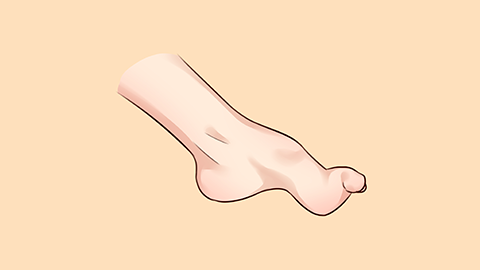
The temperature of the cold water should not be excessively low; ideally, it should be maintained between 5°C and 10°C. Temperatures below this range may cause cutaneous irritation or other adverse reactions. For cold compress application, soak sterile medical gauze or cotton in cool water and gently apply it to the pruritic areas. Replace the gauze or cotton every three to five minutes. Cold compress therapy is currently considered one of the most effective non-pharmacologic interventions for rapid relief of urticarial pruritus.
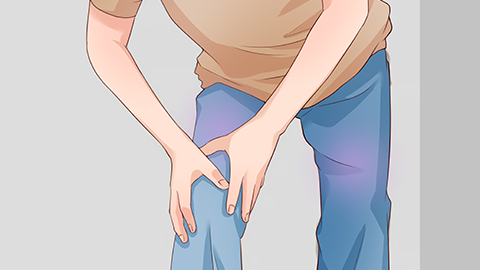
Patients are strongly advised against self-medicating with topical agents without professional guidance. All pharmacologic treatments should be prescribed and supervised by a qualified physician to ensure safety and efficacy. Inappropriate or indiscriminate use of medications may exacerbate symptoms rather than alleviate them. We hope this information proves helpful to you.