


Is the infant pneumococcal vaccine necessary?
Aug 31, 2022
Source: Cainiu Health

Dr. Xie Zixing
Introduction
The pneumococcal vaccine for infants is highly recommended. Pneumonia in infants is a relatively serious and potentially harmful disease; therefore, vaccination is advisable if the infant’s health condition permits. However, vaccination should be avoided if the infant has a cold or fever. The decision to vaccinate an infant against pneumococcal disease should follow the principle of informed consent. This vaccine is not covered by public health insurance and requires out-of-pocket payment; it is especially recommended for infants with weakened immune systems.
Infants typically have relatively immature immune systems and are therefore prone to illnesses caused by viruses and bacteria. Pneumonia poses a significant threat to infant health, making prevention critically important—and vaccination is an effective preventive measure. So, is pneumococcal vaccination necessary for infants?
Is pneumococcal vaccination necessary for infants?
Pneumococcal vaccination is highly recommended for infants. Pneumonia is a potentially serious illness in this age group; thus, if medically appropriate and feasible, vaccination should be considered. However, vaccination should be deferred if the infant has an acute febrile illness (e.g., cold or fever). The decision to vaccinate may be made on a voluntary basis, following informed consent. As pneumococcal vaccines are not included in China’s national immunization program, they require out-of-pocket payment. Vaccination is especially advisable for infants with compromised immunity or other risk factors. Numerous considerations apply when administering pneumococcal vaccines—familiarity with these is essential. Importantly, pneumococcal vaccines do not protect against all forms of pneumonia, such as those caused by *Mycoplasma pneumoniae* or viruses. Therefore, accurate understanding of vaccine indications and limitations is crucial.
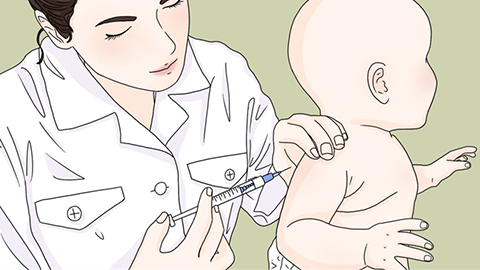
Like medications, vaccines may cause adverse reactions in some individuals who do not tolerate them well. However, vaccines are specialized biological products, and their incidence of adverse reactions is substantially lower than that of most conventional drugs. Vaccine-related reactions are primarily influenced by the infant’s underlying health status. Therefore, after vaccination, parents should closely monitor their infant for signs such as fever or rash.

Following pneumococcal vaccination, infants may experience a range of potential adverse reactions; parents should remain vigilant and observe their baby carefully. We hope this information is helpful to you.






