


How to treat bronchopneumonia in children
Aug 31, 2022
Source: Cainiu Health

Dr. Xie Zixing
Introduction
Children with bronchopneumonia require prompt antibiotic treatment. However, before initiating such therapy, the causative pathogen must be identified, and the most sensitive antimicrobial agent should be selected based on the identified pathogen to achieve optimal therapeutic outcomes. Furthermore, it is essential to ensure adequate dosing and sufficient duration of treatment. The incidence of bronchopneumonia in children is also associated with certain viral infections.
Pediatric bronchopneumonia is a common and frequently occurring disease in children, most often affecting infants and toddlers under two years of age. How, then, is pediatric bronchopneumonia treated?
How Is Bronchopneumonia Treated in Children?
Bronchopneumonia in children requires prompt antibiotic therapy. However, before initiating such treatment, the causative pathogen must first be identified, and the most appropriate, pathogen-sensitive antimicrobial agent selected to achieve optimal therapeutic outcomes. Furthermore, adequate dosing and sufficient duration of treatment are essential. The incidence of pediatric bronchopneumonia is also associated with certain viral infections—most commonly influenza virus. In such cases, timely antiviral therapy is indicated. For influenza virus infection, neuraminidase inhibitors are typically used; alternatively, other broad-spectrum antiviral agents may be considered. Symptomatic management is also critical for children with bronchopneumonia. Nasal secretions should be cleared promptly to maintain airway patency. If excessive sputum is present, suctioning may be necessary. Some children develop high fever, which warrants prompt antipyretic intervention.
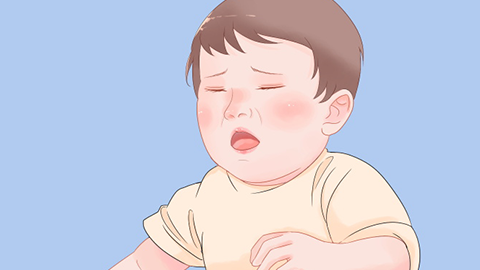
Children with bronchopneumonia commonly experience symptoms including cough, excessive or viscous sputum production, and fever. Therefore, they should avoid consuming spicy foods, cold beverages, coffee, strong tea, and other irritants that may stimulate the respiratory mucosa and exacerbate coughing. During treatment, parents should provide children with light, easily digestible meals. Seafood—including fish, shrimp, and crab—should be avoided during bronchopneumonia treatment. Although rich in protein, these foods contain heterologous proteins that may trigger allergic reactions and irritate the airways, worsening cough. Moreover, seafood may promote phlegm-dampness accumulation, aggravating sputum production—particularly in febrile children, who should also avoid high-protein foods, as these may impede fever resolution.
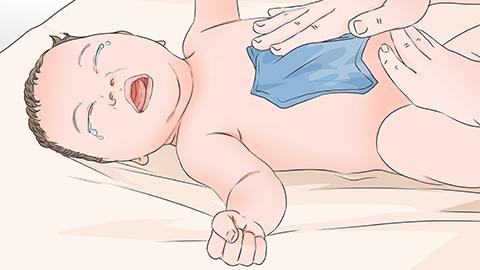
During bronchopneumonia treatment, parents must pay close attention to dietary care and actively pursue medical management under professional physician guidance. We hope this information proves helpful.






