


What are the symptoms of male genital malformations?
Sep 13, 2022
Source: Cainiu Health

Dr. Li Mingchuan
Introduction
Male genital abnormalities may be accompanied by conditions such as a short penis, excessive foreskin, or phimosis, which require improvement through circumcision. During the treatment period, oral antibiotics can also be used to help prevent inflammation. Additionally, it is necessary to evaluate prostate health during treatment; if prostatitis is present, dietary control should also be implemented.
In daily life, abnormalities in genital development are quite common, primarily due to insufficient knowledge or possibly individual factors. If not treated promptly, infertility may occur. So, what are the symptoms of male genital malformations?
What Are the Symptoms of Male Genital Malformations?
Symptoms of male genital malformations include penile abnormalities and underdevelopment of the prostate gland. It is important to evaluate one's specific symptoms and seek timely surgical treatment at a hospital. After surgery, proper local hygiene should be maintained, and psychological counseling may be beneficial to prevent mental health issues.
Following male genital malformations, conditions such as micropenis, phimosis, or redundant foreskin may also occur. Circumcision is often recommended for improvement. During recovery, oral antibiotics may be used to relieve or prevent inflammation. It is also necessary to evaluate prostate health during treatment. If prostatitis is present, dietary control is important—avoid high-fat and greasy foods.
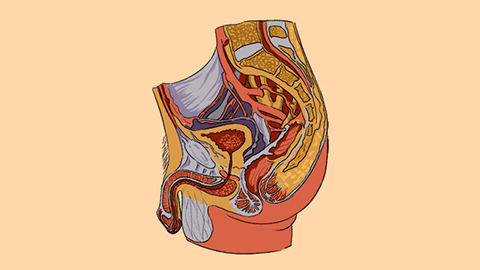
If congenital malformations affect fertility—often due to isolated absence of the vas deferens—normal sexual function may be impaired, which can negatively impact marital relationships. It is essential to maintain a positive and optimistic attitude and seek prompt treatment to prevent worsening symptoms such as corporal induration or concealed penis. We hope this information helps you. Wishing you good health and happiness.








