


Is a negative hepatitis C antibody result normal?
Sep 13, 2022
Source: Cainiu Health

Dr. Zhao Haiming
Introduction
A negative hepatitis C antibody result is normal. In healthy individuals who have not been infected with the hepatitis C virus, the hepatitis C antibody test will naturally be negative. However, it is possible that during the early incubation period after infection, the body has not yet produced detectable levels of hepatitis C antibodies, resulting in a temporarily negative test that may later become positive over time. Generally, a negative hepatitis C antibody test indicates the absence of hepatitis C virus infection in the body.
Today, people place great importance on their physical health and typically undergo a medical examination once a year. However, hepatitis C antibody (anti-HCV) test results in these reports often come back negative. Is a negative hepatitis C antibody result normal?
Is a Negative Hepatitis C Antibody Result Normal?
A negative hepatitis C antibody result is generally considered normal. In healthy individuals who have not been infected with the hepatitis C virus (HCV), anti-HCV antibodies are naturally absent—hence the negative result. However, it is important to note that during the early “window period” following HCV infection—before the body has produced detectable antibodies—a negative result may still occur. Over time, such cases may progress to seroconversion, resulting in a positive antibody test.
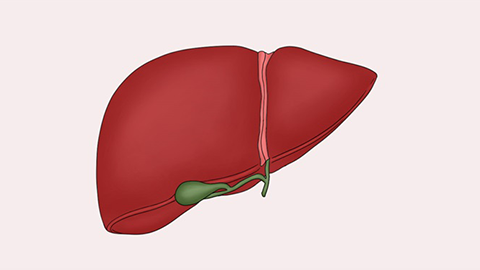
In most cases, a negative hepatitis C antibody result indicates the absence of prior or current HCV infection. Hepatitis C virus is primarily transmitted through blood exposure and sexual contact. Therefore, a negative result is typically reassuring and does not warrant excessive concern. Conversely, if the test yields a positive result, this may indicate either a past infection or an ongoing acute infection. In such cases, prompt consultation with a physician is essential to initiate appropriate antiviral therapy—delaying treatment could worsen disease progression and adversely affect long-term health.

In daily life, maintain good personal hygiene: avoid unnecessary blood transfusions, refrain from intravenous drug use, do not share needles, toothbrushes, or razors, and practice safe sex. Additionally, engage regularly in physical exercise to strengthen your immune system. For individuals diagnosed with hepatitis C, dietary recommendations include consuming light, easily digestible foods while avoiding greasy, spicy, or highly stimulating foods. Smoking and alcohol consumption should also be strictly avoided. We hope this information is helpful. Wishing you optimal health and a joyful life!



