


Is hepatitis C genotype 1b severe?
Dec 02, 2025
Source: Cainiu Health

Dr. Gao Jun
Introduction
In general, the severity of hepatitis C genotype 1b should be assessed based on factors such as the individual patient's disease progression, degree of liver damage, and whether timely treatment has been received. If any discomfort occurs, prompt medical consultation is recommended. Daily management includes strict abstinence from alcohol, avoiding hepatotoxic medications, maintaining a light and nutritious diet rich in high-quality protein, fruits, and vegetables, adhering to regular sleep patterns, and undergoing periodic follow-up tests for liver function and viral markers as directed by a physician.
Generally, the severity of hepatitis C genotype 1b depends on a comprehensive assessment of the patient's specific disease progression, degree of liver damage, and whether timely treatment is received. If any discomfort occurs, prompt medical attention is recommended. Detailed analysis is as follows:
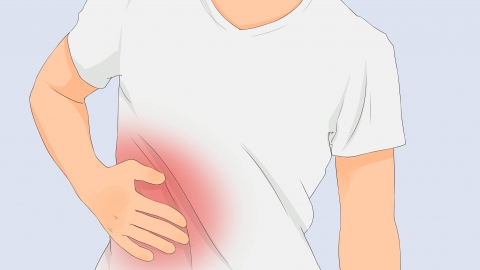
If hepatitis C genotype 1b is detected early, with only mild liver inflammation and no fibrosis or cirrhosis present, the condition is usually not severe, especially when promptly treated with direct-acting antiviral (DAA) drugs. These medications are highly effective against genotype 1b. Most patients who undergo standardized treatment for 12 to 24 weeks achieve complete viral clearance, restoration of normal liver function, and full recovery. Regular follow-up examinations thereafter are sufficient.
However, if hepatitis C genotype 1b remains undiagnosed and untreated for a long period, allowing continuous disease progression to moderate or severe liver fibrosis, cirrhosis, or even liver cancer, the condition becomes significantly more serious. At this stage, liver damage is irreversible, treatment becomes more challenging, and although antiviral therapy can control viral replication, the already impaired liver function cannot be fully restored.
In daily life, patients should strictly avoid alcohol, refrain from using medications that may harm the liver, maintain a light and nutritious diet rich in high-quality protein, fruits, and vegetables, follow a regular作息 routine, and adhere to medical advice for regular monitoring of liver function and viral markers.


