


Is the treatment for paronychia painful?
Sep 13, 2022
Source: Cainiu Health

Dr. Jiang Weimin
Introduction
Paronychia results from skin damage caused by friction, followed by bacterial infection. Pain may be experienced during treatment. Therefore, proper care after treatment is especially important to prevent recurrence. Pay attention to foot hygiene, wear loose-fitting shoes, and trim nails regularly. In addition, schedule regular follow-up visits and maintain timely communication with your doctor.
Paronychia most commonly occurs in toenails. Some people do not fully understand this condition and thus are unaware of how it should be treated. Does paronychia treatment hurt?
Is paronychia treatment painful?
Paronychia results from skin damage caused by friction, followed by bacterial infection. Pain may be experienced during treatment. Therefore, proper post-treatment care is essential to prevent recurrence. Pay attention to foot hygiene, wear loose-fitting shoes, and regularly trim your nails. Additionally, schedule regular follow-up visits and maintain open communication with your doctor.
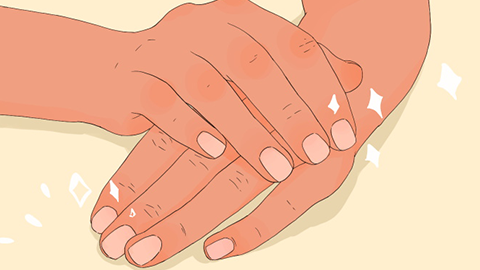
The symptoms of paronychia vary depending on its type. There are two types: acute and chronic. Mild cases may present with localized redness, swelling, warmth, pain, and tenderness, which can resolve spontaneously. Children with weakened immune systems are particularly susceptible to acute paronychia.
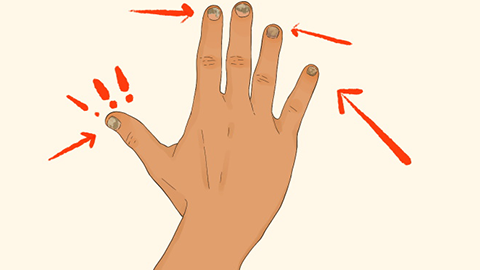
Paronychia is an infection of the nail fold and surrounding tissues, typically caused by local infections resulting from minor injuries, splinters, or cutting the nails too deeply. Staphylococcus aureus is the primary causative bacterium. In daily life, wearing ill-fitting shoes or failing to treat inflammation after a toe fracture can lead to bacterial infection and easily trigger paronychia. When there is bruising or abscess formation in the toe, blood flow to the toenail may be impaired, reducing the toe's ability to heal and weakening its self-repair capacity, potentially progressing into chronic paronychia or even chronic osteomyelitis. Additionally, individuals who naturally sweat excessively on their feet, especially when wearing poorly ventilated, damp, and warm shoes, create an environment conducive to bacterial growth, increasing the risk of developing paronychia. We hope this information is helpful to you. Wishing you good health and happiness.



