


How should sinusitis be treated?
Sep 13, 2022
Source: Cainiu Health

Dr. Guo Xiheng
Introduction
Sinusitis can generally be treated with antibiotics, anti-infective agents, and antiviral medications. Additionally, some topical nasal sprays can be used for treatment, which are quite effective. In most cases, sinusitis cannot be completely cured. If a person has sinusitis with noticeable symptoms, it can significantly affect their normal daily life.
The paranasal sinuses are air-filled cavities within the skull surrounding the nasal cavity. When abnormalities occur in these sinuses, they may lead to sinusitis. How should sinusitis be treated?
How to Treat Sinusitis
Generally, sinusitis can be treated with antibiotics, anti-infective agents, and antiviral medications. Additionally, topical nasal sprays may also be used and often yield good results. In most cases, sinusitis cannot be completely cured. If you suffer from sinusitis with noticeable symptoms that significantly affect your daily life, it's important to wear a mask when going outdoors. If symptoms persist over a long period, it's advisable to get checked to determine their severity.
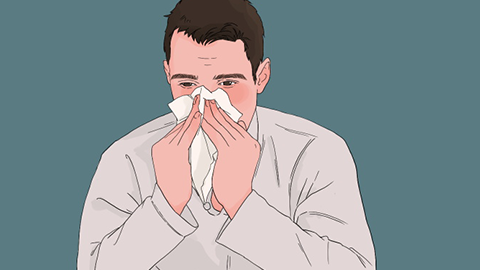
Sinusitis usually develops as a complication of upper respiratory tract infections, commonly known as the common cold. When pathogenic microorganisms invade the nasal cavity, the mucous membranes of the nose and sinus openings may swell, leading to infection and sinusitis. If the inflammation persists over time without proper treatment, chronic sinusitis may develop due to prolonged inflammation in the nasal passages and sinuses.
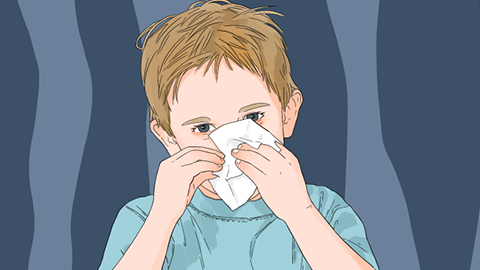
People with sinusitis should avoid eating spicy or irritating foods. Also, never blow your nose forcefully. Forceful nose-blowing may block the Eustachian tube connecting the nose and ear, allowing nasal secretions to enter the middle ear through the tube, potentially causing otitis media (middle ear infection). We hope this information is helpful to you. Wishing you good health and a happy life.




