


What causes uncontrollable nosebleeds?
Sep 13, 2022
Source: Cainiu Health

Dr. He Haochen
Introduction
Persistent epistaxis (nosebleeds) may have several causes:
First, rupture of the capillary network in the anterior-inferior portion of the nasal septum—known as Little’s area—can lead to bleeding. In such cases, applying firm pressure with the thumb of the same side against the ala nasi (nostril wing) for 5–10 minutes typically controls the bleeding.
Second, acute rhinitis and sinusitis can cause nasal mucosal congestion and subsequent vascular rupture with bleeding.
In daily life, some people may experience unexplained nosebleeds, which could be caused by excessive internal heat ("fire" in traditional terms). What causes persistent nosebleeds that won't stop?
What Causes Persistent Nosebleeds?
Persistent nosebleeds may result from several factors. First, rupture of the capillary network in Little's area (the anterior-inferior part of the nasal septum) can lead to bleeding. In such cases, pressing the affected nostril against the nasal septum with the same-side thumb for 5–10 minutes usually stops the bleeding. If necessary, go to the hospital emergency room where proper hemostatic methods can be applied to control the nosebleed. Second, acute rhinitis and sinusitis may cause nasal mucosal congestion and blood vessel rupture leading to bleeding. In these instances, treating the underlying rhinitis or sinusitis is essential to stop the bleeding. If bleeding persists, medical consultation is required to implement appropriate measures.
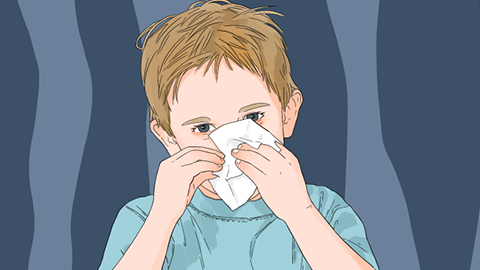
Nasal tumors—both benign and malignant—including nasal and paranasal angiofibromas, nasopharyngeal fibrovascular polyps, and other growths—can cause continuous or long-term intermittent bleeding. Timely diagnosis and proper treatment are crucial.
Dietary adjustments are also important. Avoid spicy and irritating foods. Eat more fresh fruits, vegetables, and foods rich in vitamins to provide adequate nutrition, boost immunity, and enhance overall health. Additionally, engage regularly in outdoor activities. Maintain proper local care by keeping the nasal area clean and dry. We hope this information is helpful to you. Wishing you good health and a happy life.




