What should I do about recurring facial allergies?
Sep 13, 2022
Source: Cainiu Health

Dr. Liu Wan
Introduction
Patients with recurrent facial allergies should go to the hospital as soon as possible for allergen testing. Once the specific allergen is identified, they should avoid exposure to it and follow medical advice in using antiallergic medications such as promethazine hydrochloride, desloratadine, diphenhydramine, cetirizine hydrochloride, mequitazine, chlorpheniramine maleate tablets, and ebastine. If patients experience severe facial itching, topical calamine lotion should also be applied.
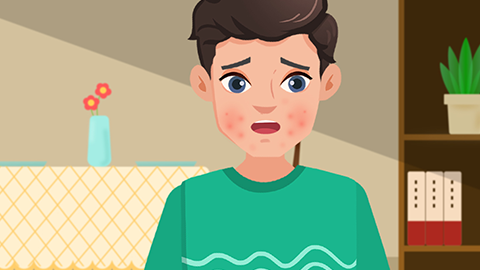
With seasonal changes, many people experience facial allergies that keep recurring, causing significant discomfort. What should you do if your face keeps having allergic reactions?
What to Do About Recurring Facial Allergies
Patients with recurrent facial allergies should go to the hospital as soon as possible for allergy testing to identify the allergens and avoid them accordingly. Follow your doctor’s instructions when taking antiallergic medications such as promethazine hydrochloride, desloratadine, diphenhydramine, cetirizine hydrochloride, oxatomide, chlorpheniramine maleate tablets, or ebastine. If facial itching is severe, topical calamine lotion may also be needed. During treatment, keep the face clean, avoid washing with hot water, and refrain from touching or scratching your face with unclean hands to prevent secondary bacterial infections and worsening symptoms.

Regarding allergens, many factors can trigger facial allergies. For example, facial cleansers, cosmetics, face masks, and facial oils used daily should be carefully evaluated. Airborne substances such as dust mites, pollen, and animal dander can also cause facial allergic reactions. Sometimes certain foods—such as seafood, spicy, or irritating foods—can trigger facial allergies as well. Therefore, it's best to undergo an allergy test to determine which specific substances cause reactions, then avoid exposure. If you are allergic to dust mites, immunotherapy (desensitization) may also be considered.
In terms of treatment and long-term management, special attention should be paid to selecting safe and effective medications. Glucocorticoid creams are effective but should not be used long-term to avoid steroid dependence and rebound symptoms. We hope this information helps you. Wishing you good health and happiness!