What Are the Symptoms of Autism in Adults?
Apr 18, 2022
Source: Cainiu Health

Dr. Luo Qinghua
Introduction
The primary symptoms of autism in adults include social withdrawal, reluctance to communicate with others, avoidance of going outdoors, difficulty establishing and maintaining healthy interpersonal relationships, and inability to express inner desires—particularly through verbal communication and social interaction. Communication skills are impaired. Additionally, individuals often struggle to form meaningful friendships and may have no friends.
Autism spectrum disorder (ASD) is not only prevalent among children; with the accelerating pace of modern life, some adults also develop autism. What are the manifestations of adult autism?
What Are the Manifestations of Adult Autism?
Symptoms of adult autism primarily include social withdrawal, reluctance to communicate with others, avoidance of going outdoors, difficulty establishing and maintaining healthy interpersonal relationships, and inability to express inner desires—particularly in verbal communication and social interaction. Communication skills are significantly impaired. Individuals may also struggle to form genuine friendships and remain socially isolated, often lacking close friends. Relationships with parents and other family members may be emotionally distant, and affected individuals may find it difficult to express affection or love toward their parents.

In severe cases, individuals may become homebound, rarely or never leaving their homes, and may be unable to establish romantic relationships or form families. If significant symptoms of adult autism are present, prompt intervention is essential. Importantly, other psychiatric conditions—such as major depressive disorder or schizophrenia—must first be ruled out.
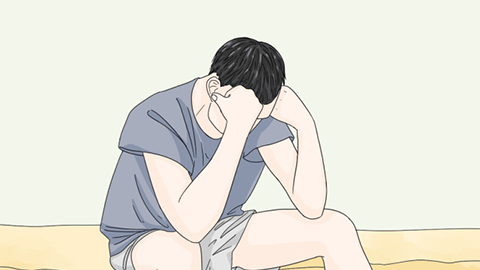
Treatment for adult autism encompasses both pharmacological and non-pharmacological approaches. The primary therapeutic strategy involves ongoing rehabilitation training and educational interventions aimed at maximizing functional outcomes and improving prognosis. For patients exhibiting neuropsychiatric symptoms—such as aggression, self-injurious behavior, suicidal ideation or actions, or behaviors that pose a risk to themselves or others—symptom-targeted pharmacotherapy may be indicated. For example, aripiprazole has demonstrated efficacy in alleviating psychotic symptoms (e.g., hallucinations and delusions) and may also help reduce self-injurious behavior, aggression, and suicidal tendencies in individuals with autism. We hope this information proves helpful to you.