


Dietary therapy methods for polycystic ovary syndrome
Sep 13, 2022
Source: Cainiu Health

Dr. Lv Aiming
Introduction
Polycystic ovary syndrome (PCOS) is an endocrine disorder characterized by enlarged ovaries with multiple fluid-filled cysts, elevated androgen levels, and lack of ovulation. The most prominent feature is anovulation. Symptoms of PCOS include menstrual irregularities, hirsutism, infertility, obesity, ovarian enlargement, and good estrogenic effects. A daily diet with balanced nutritional components and primarily light foods is recommended.
Polycystic ovary syndrome (PCOS) is a common gynecological condition that affects fertility. Women diagnosed with this condition should seek active treatment. So, what are the dietary therapy methods for polycystic ovary syndrome?
Dietary Therapy Methods for Polycystic Ovary Syndrome
Daily meals should consist of balanced ingredients, focusing on light foods. Avoid spicy, stimulating, or cold foods, which may aggravate ovarian stimulation and worsen symptoms of blood and qi stagnation. It is advisable to avoid heat-inducing foods such as lamb and crab, as well as hormone-rich foods like bird's nest and royal jelly. Controlling blood sugar and body weight, ensuring adequate sleep, and avoiding endocrine imbalances are essential. Patients with PCOS should ensure sufficient intake of protein and vitamins, including chicken, beef, fish, shrimp, and soy products. Edible mushrooms such as shiitake, king oyster, and enoki mushrooms are also beneficial. Dishes like red mushroom chicken soup or cold mixed enoki mushrooms can be consumed regularly.
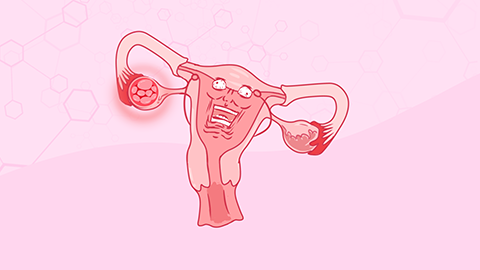
Polycystic ovary syndrome is an endocrine disorder characterized by enlarged ovaries containing multiple fluid-filled cysts, elevated androgen levels, and lack of ovulation. The most prominent feature is anovulation. Symptoms of PCOS include menstrual irregularities, hirsutism, infertility, obesity, enlarged ovaries, and signs of excessive estrogen activity.
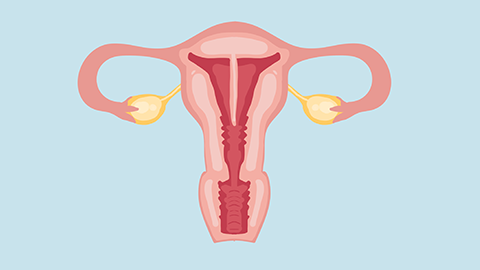
The main manifestations of polycystic ovary syndrome include menstrual abnormalities and anovulation. Over time, individuals are prone to weight gain, and obesity increases the risk of developing conditions such as hypertension and high blood sugar, which in turn exacerbate PCOS. Therefore, choosing low-glycemic, low-calorie foods can effectively alleviate symptoms and prevent weight gain. We hope this information is helpful to you. Wishing you good health and happiness!




