


What are the methods for reducing milk supply after childbirth?
Sep 13, 2022
Source: Cainiu Health

Dr. Lv Aiming
Introduction
In terms of diet, reduce consumption of rich, meat-based soups to help decrease milk production. Appropriately reduce the frequency of breastfeeding. If there is excessive milk supply, express a small amount, but do not fully empty the breasts, as this may stimulate further milk production. For breast engorgement or pain, apply warm compresses with a heated towel externally, or consume barley malt (mai ya), which can help suppress lactation.
Many women plan to wean their babies after the child turns one year old, yet they continue to produce an abundant supply of breast milk. What methods are available for lactation suppression postpartum?
What Are the Methods for Lactation Suppression Postpartum?
The first step in suppressing lactation postpartum is to gradually reduce the frequency of breastfeeding and extend the intervals between feedings. After age one, infants typically consume complementary foods, allowing mothers to consciously minimize direct contact between the baby and the breasts. With reduced external stimulation, milk production will naturally decline. During this period, women should also avoid foods known to promote lactation. Under medical supervision, lactating women may take oral estrogen or receive estrogen injections; diethylstilbestrol is a commonly prescribed oral option, while estradiol benzoate is preferred for injection.
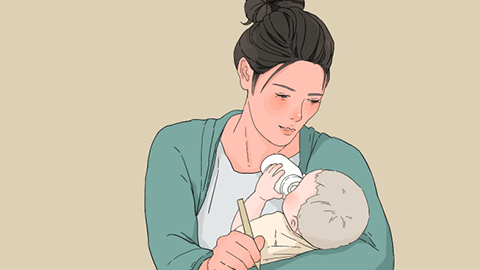
During lactation suppression, it is essential to minimize nipple stimulation and avoid exposing the breasts to hot water. Additionally, do not completely express all milk—when experiencing breast fullness or discomfort, apply cold compresses (e.g., ice packs) instead.
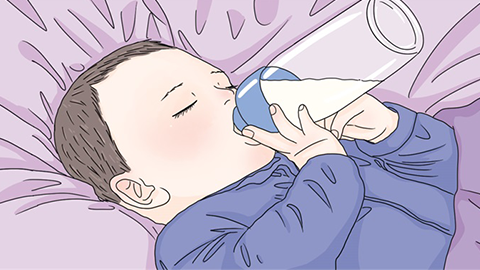
Dietarily, emphasize light, bland foods and limit intake of rich, greasy, or strongly flavored dishes to help decrease milk production. If milk volume remains high, gently express only small amounts—never fully empty the breasts—as complete expression may stimulate further milk production. For breast tenderness or engorgement, apply warm compresses externally or consume barley sprouts, which possess natural lactation-suppressing properties. We hope this information proves helpful. Wishing you good health and happiness!






