


Which department should I visit for infantile eczema?
Sep 13, 2022
Source: Cainiu Health

Dr. Liu Wan
Introduction
Eczema is generally treated by pediatric or dermatology departments. When eczema is not severe, calamine lotion can be applied to the affected area to help relieve symptoms. Maintaining good hygiene, regular cleaning, and frequent clothing changes can help prevent the condition from worsening. If a baby repeatedly develops eczema, an underlying allergic constitution may be present; a detailed medical evaluation at a hospital is recommended to identify the cause, followed by medication treatment under a doctor's guidance.
Baby eczema is a common condition in dermatology clinics. Therefore, this condition requires medical attention at a hospital. So which department should parents visit for pediatric eczema?
Which Department Should You Visit for Pediatric Eczema?
Eczema patients are generally seen in pediatrics or dermatology departments. When eczema is mild, calamine lotion can be applied to the affected area to help relieve symptoms. Maintaining good hygiene, regular cleaning, and frequent clothing changes may help prevent worsening of the condition. If a baby repeatedly develops eczema symptoms, it may indicate an allergic constitution. A thorough medical evaluation at a hospital is recommended to identify the underlying cause, followed by appropriate medication under a doctor's guidance.

Infantile eczema is an acute or subacute skin condition commonly affecting the face and head of infants. It is one of the most common skin disorders in infancy, so the appropriate department for consultation is dermatology. Dermatology primarily deals with conditions involving rashes on the skin or mucous membranes, as well as cases presenting only subjective symptoms such as pain or itching. The main sites affected by eczema include the cheeks, forehead, scalp, and areas around the eyebrows. Skin lesions typically present as redness (erythema), papules, vesicles, oozing, or greasy crusts, often accompanied by varying degrees of itching or other subjective discomfort.
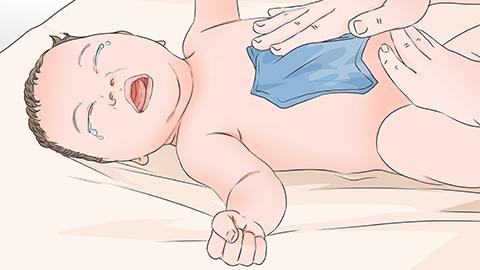
Pediatric eczema is often caused by genetic factors or impaired skin barrier function. Symptoms may include red patches, papules, and sometimes vesicles, along with skin itching. Treatment options include topical anti-itch medications or oral antihistamines. We hope this information has been helpful. Wishing you good health and happiness!





