


What dietary precautions should patients with viral herpes take?
Sep 13, 2022
Source: Cainiu Health

Dr. Liu Wan
Introduction
Dietary precautions for patients with viral herpes include consuming light, easily digestible foods and avoiding spicy, irritating, fried, greasy, and seafood items such as beef, mutton, pork, fish, onion, ginger, garlic, coriander, and banana. It is important to keep the affected area clean and avoid scratching or abrasions to prevent secondary infection. The condition can be cured through a combination of standard clinical treatment and adequate foot care.
As people age, some individuals experience a gradual decline in their immune function, which may lead to the development of various types of herpes outbreaks, affecting their daily lives. What dietary precautions should patients with viral herpes take?
What Are the Dietary Precautions for Patients with Viral Herpes?
Dietary recommendations for patients with viral herpes include consuming light, easily digestible foods while avoiding spicy, irritating, fried, greasy, and seafood items. Examples include beef, mutton, pork, fish, onion, ginger, garlic, cilantro, and bananas.

It is important to keep the affected area clean and avoid scratching or abrasions to prevent secondary infections. This condition can be cured through a combination of standard clinical treatment and proper foot care. For dietary prevention of viral herpes, first, limit intake of greasy and rich foods—such as fatty meats, caramel, dairy products, and sweets—as these are often heavy, oily, and sweet, potentially exacerbating damp-heat and toxic pathogens, thus hindering recovery. Avoid astringent foods; these include peas, coral moss, pomegranate, taro, and spinach.
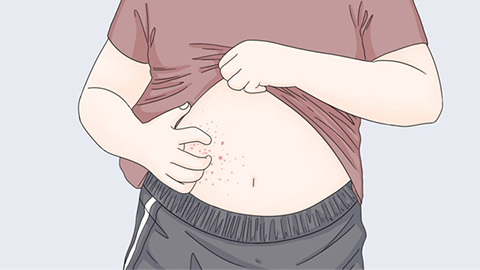
According to Traditional Chinese Medicine (TCM), this condition is often caused by emotional distress, liver qi stagnation, prolonged stagnation transforming into fire, followed by infection with external toxins. Moreover, the aforementioned astringent foods may obstruct the flow of qi and blood, preventing the dispersion of pathogenic factors and worsening pain. Avoid spicy and heat-inducing foods; spicy and warming items such as ginger, chili peppers, mutton, beef, and fried foods tend to fuel internal heat when consumed. We hope this information is helpful to you. Wishing you good health and a happy life!





