What are the risks if the hand swells during intravenous infusion?
Sep 13, 2022
Source: Cainiu Health

Dr. Liu Wan
Introduction
In some cases, hand swelling caused by intravenous infusion is harmless, while in others it can be more serious, depending primarily on the amount of fluid leakage and the type of infused solution. If glucose solution, normal saline, or some common antibiotics are infused, the harm is usually minimal, with patients experiencing only local pain and mild swelling. Warm compresses can be applied, and in some patients, physical therapy may also be combined.
In daily life, some patients experiencing discomfort symptoms such as colds and coughs often choose intravenous (IV) infusion to relieve these symptoms. During IV therapy, the injection is typically administered into the skin of the hand. However, some patients may experience hand swelling after the infusion. What are the risks associated with hand swelling after an IV?
What Are the Risks of Hand Swelling After IV Infusion?
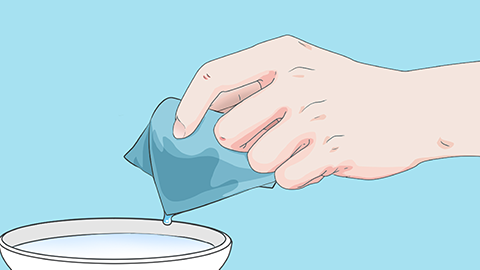
In certain cases, hand swelling caused by IV infusion is harmless, while in others it can be more serious—mainly depending on the amount of fluid leakage and the type of solution infused. If glucose solution, normal saline, or common antibiotics are being administered, the consequences are usually minor, with patients only experiencing local pain and mild swelling. Applying warm compresses may help, and in some cases, physical therapy can also be beneficial. The leaked fluid can gradually be absorbed by the body without causing adverse effects.
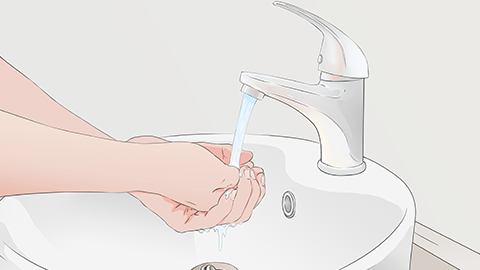
However, if a large amount of fluid leaks out, it may cause significant local pain, requiring prompt treatment such as aspiration of the fluid or local pressure dressing. The risks are considerably higher when chemotherapy drugs are involved. Leakage of such medications can lead to local ischemia, tissue necrosis, or extensive ulcers, and management must be determined based on the specific clinical situation.
Patients should be closely monitored during IV infusion. After treatment, they should maintain a light diet, avoid spicy or irritating foods, and engage in appropriate exercise to enhance immunity and resistance, thereby reducing the risk of illness. We hope this information is helpful. Wishing you good health and happiness!