


What should I do if allergic rhinitis causes coughing?
Sep 13, 2022
Source: Cainiu Health

Dr. Guo Xiheng
Introduction
Allergic rhinitis patients can take some cough suppressants when experiencing coughing. It is best to choose certain Chinese patent medicines that help relieve phlegm and suppress cough. Alternatively, physical remedies such as drinking pear juice with rock sugar, dissolving Qiuli膏 (pear jam) in water, or consuming salt-steamed oranges may also help alleviate symptoms. The occurrence of allergic rhinitis is related to the body's excessive reaction to foreign substances.
Due to seasonal changes, some individuals with weaker constitutions may develop allergic rhinitis, which can also trigger coughing. What should be done about coughing caused by allergic rhinitis?
What to do about coughing caused by allergic rhinitis
Patients with allergic rhinitis who experience coughing can take certain cough-suppressing medications. It's best to choose traditional Chinese medicine preparations that help resolve phlegm and relieve cough. Alternatively, physical remedies such as drinking pear juice with rock sugar, dissolving Qiuli pear syrup in water, or consuming salt-steamed oranges may also help alleviate symptoms.
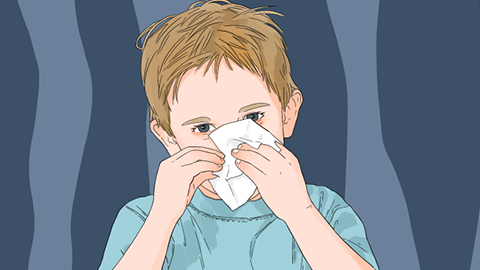
Allergic rhinitis occurs due to an overreaction of the body's immune system to foreign substances. It is a multifactorial respiratory condition resulting from interactions between the body and external factors and has a certain genetic predisposition. After exposure to allergens, antibodies and antigens in the body react excessively. Common allergens include pollen, dust, dry air, and animal dander. A minority of patients may have food allergies, mostly triggered by milk and soy, with symptoms typically appearing hours to several days after ingestion.
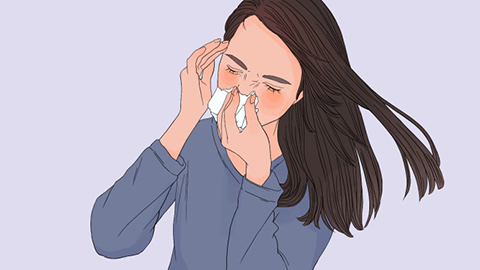
Individuals with allergic rhinitis should try to avoid known allergens. Common triggers include house dust mites, animal fur, and pollen. During seasonal transitions, wear a mask when going outdoors, and regularly rinse the nasal passages with saline solution. Rinsing the face with cold water can enhance nasal tolerance and boost immunity. Avoid eating irritating foods in daily life. We hope this information helps you. Wishing you good health and happiness!



