


What are the symptoms of heatstroke?
Sep 13, 2022
Source: Cainiu Health

Dr. Zhao Haiming
Introduction
Patients with heatstroke experience thirst, dizziness, headache, fatigue, and sweating. Their body temperature is normal or only slightly elevated. Heat-related illnesses include three types: heat cramps, heat exhaustion, and heat stroke. During heat cramps, patients may suffer muscle spasms and pain in the limbs, abdomen, or back, but remain conscious. In heat exhaustion, patients exhibit profuse sweating, normal or elevated body temperature, extreme thirst, and weakness.
In daily life, especially during hot summer months, people working in different environments—such as outdoor workers including cleaners, those performing high-altitude tasks, and construction site laborers—are more prone to heatstroke. What are the symptoms of heatstroke?
What are the symptoms of heatstroke?
Individuals suffering from heatstroke may experience thirst, dizziness, headache, fatigue, and excessive sweating. At this stage, body temperature may remain normal or only slightly elevated. Heat-related illnesses include three types: heat cramps, heat exhaustion, and heat stroke. During heat cramps, patients may develop muscle spasms and pain in the limbs, abdomen, or back, but remain conscious. In cases of heat exhaustion, symptoms include profuse sweating, normal or slightly elevated body temperature, extreme thirst, fatigue, nausea, and vomiting. With heat stroke, patients develop high fever, confusion, seizures, convulsions, and may progress to circulatory failure or shock, which carries a relatively high mortality rate.
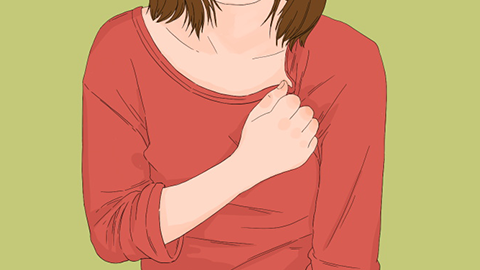
Immediately after heatstroke occurs, the person should be removed from the hot and humid environment and moved to a cooler, well-ventilated area—ideally an air-conditioned room—to accelerate skin cooling. Fluids should be replenished with salt-containing, high-calorie drinks. If the patient has a high fever, apply ice packs immediately or sponge the body with cool water to enhance heat dissipation and relieve symptoms more quickly. If there is no improvement after these initial measures, the patient should be sent to a hospital immediately for further treatment.
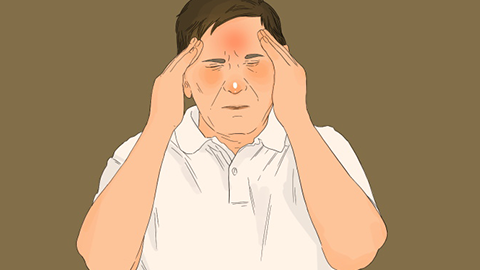
Prolonged work in hot and humid environments should be avoided. Drink plenty of fluids and urinate frequently. We hope this information is helpful to you. Wishing you good health and happiness!








