


Can people with cirrhosis drink protein powder?
Sep 13, 2022
Source: Cainiu Health

Dr. Jin Zhongkui
Introduction
Patients with cirrhosis can consume protein powder, but only if they have compensated cirrhosis—meaning they do not have complications such as ascites or hepatic encephalopathy. In such cases, protein intake can be appropriately increased. Protein powder may be used when the body's protein levels are low and insufficient protein is absorbed from food, helping to supplement protein intake. However, if cirrhosis is in the decompensated stage and hepatic encephalopathy has developed, protein intake must be carefully restricted.
Nowadays, people are increasingly focusing on self-care, so they frequently purchase and consume various health supplements, among which protein powder is particularly popular. However, some individuals are unsure how to properly take protein powder or when its effects are most significant. So, can patients with liver cirrhosis consume protein powder?
Can People with Liver Cirrhosis Consume Protein Powder?
In the early stages of liver cirrhosis, protein powder can be consumed. When the body's protein levels are low and insufficient protein is absorbed from food, an appropriate amount of protein powder may be taken to supplement protein intake. However, if cirrhosis has progressed to the decompensated stage and hepatic encephalopathy occurs, protein powder should not be consumed. Excessive daily protein intake increases ammonia production, exceeding the liver’s metabolic capacity and potentially triggering hepatic encephalopathy.
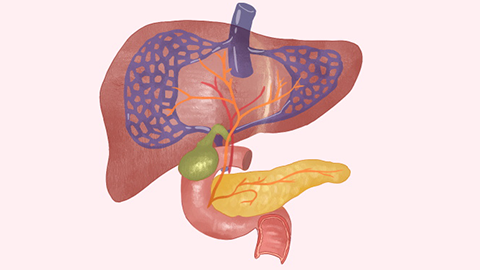
When plasma protein levels are reduced, substantial protein supplementation is needed. For patients with ascites or those undergoing corticosteroid therapy, protein powder plays an important role in protecting liver cells and promoting the repair of damaged ones. However, when liver function is severely impaired or signs of hepatic coma appear, protein powder should not be consumed. Protein intake must be strictly limited to reduce the liver’s workload and lower ammonia concentration in the liver.

In daily life, maintain a regulated diet—avoid spicy and irritating foods, overeating, and staying up late. We hope this information helps you. Wishing you good health and happiness.



