Which hurts more: apical periodontitis or pulpitis?
Sep 13, 2022
Source: Cainiu Health

Dr. Zhang Liwen
Introduction
If apical periodontitis and pulpitis are chronic, then pulpitis may be more painful. Essentially, chronic apical periodontitis or chronic apical inflammation usually does not cause pain, whereas chronic pulpitis does cause pain. Therefore, if chronic pulpitis occurs, it should be more painful than chronic apical inflammation. In the case of acute apical periodontitis or acute pulpitis, both conditions are painful.
Pulpitis is mainly caused by dental caries, and if left untreated, it will progress to apical periodontitis. Therefore, apical periodontitis is an advanced stage of pulpitis. Generally speaking, the pain of pulpitis is spontaneous and paroxysmal, often accompanied by radiating pain to the head and temples. Patients usually cannot identify exactly which tooth is causing the pain. So, which one hurts more—apical periodontitis or pulpitis?
Which Hurts More: Apical Periodontitis or Pulpitis?
If both apical periodontitis and pulpitis are chronic, then pulpitis may be more painful. Essentially, chronic apical periodontitis (or chronic apical abscess) typically does not produce pain, whereas chronic pulpitis can cause persistent discomfort. Therefore, when chronic pulpitis occurs, it tends to be more painful than its apical counterpart. However, in acute cases—acute apical periodontitis or acute pulpitis—both conditions can cause severe pain.
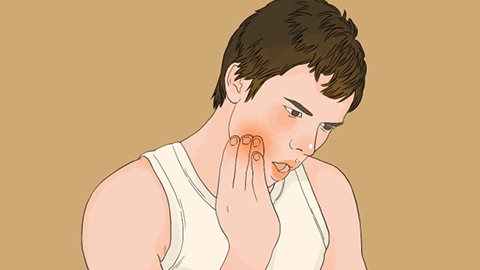
It's difficult to determine definitively which condition is more painful, as different patients experience pain differently, and various disease stages elicit varying responses. Acute apical periodontitis and acute pulpitis both commonly involve intense pain. Essentially, emergency treatment is required to quickly and effectively relieve the pain. Therefore, patients with either pulpitis or apical periodontitis should seek prompt care from a dentist.

Maintain good oral health by developing proper oral hygiene habits: brush your teeth thoroughly in the morning and evening, rinse your mouth after each meal, and make regular dental check-ups and professional cleanings part of your routine to prevent serious oral health problems.