


What to do about mild anal eczema
Sep 13, 2022
Source: Cainiu Health

Dr. Liu Wan
Introduction
Perianal eczema is a common condition in proctology and is also frequently seen in daily life. It is not a standalone disease, but rather a complication caused by other underlying conditions. Common causes include internal hemorrhoids, anal fissures, anal fistulas, and rectal mucosal prolapse. Therefore, once perianal eczema occurs, an anoscopy must be performed to determine its underlying cause.
In real life, the appearance of adverse symptoms such as anal eczema causes significant psychological distress to patients. Especially when itching and other uncomfortable symptoms occur, patients often feel helpless and embarrassed, unable to scratch despite the urge. So what should be done about mild anal eczema?
What to do about mild anal eczema
Anal eczema is a common condition seen in proctology and is also prevalent in daily life. Anal eczema is not an independent disease but rather a complication caused by other underlying conditions. Common causes include internal hemorrhoids, anal fissures, anal fistulas, and rectal mucosal prolapse. Therefore, once perianal eczema appears, an anoscopy should be performed to identify its cause. After identifying the underlying cause, treatment must focus on addressing the primary disease—such as internal hemorrhoids, anal fissures, anal fistulas, or rectal mucosal prolapse—followed by symptomatic management. Under medical guidance, patients may take Chinese herbal sitz baths, including those promoting blood circulation and removing blood stasis, removing necrotic tissue and stimulating tissue regeneration, or potassium permanganate sitz baths. Medications such as Daflon (diosmin), Longzhu ointment, Antai suppositories, and Kangfuxin liquid—which serves as an ideal topical spray—can also be used under a doctor’s supervision. Once diagnosed with anal eczema, patients should avoid spicy foods, alcohol, beef, and mutton.
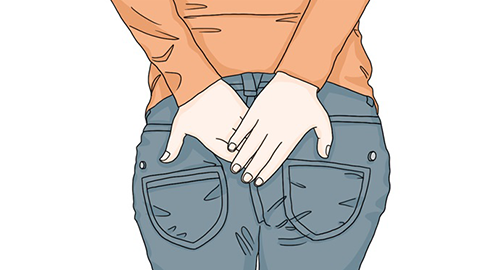
Anal eczema is not an independent disease; it is commonly triggered by other anorectal disorders. Its main symptoms include moisture and itching around the anus, thickened and roughened skin, and possibly small cracks—also known as fissures—that can lead to painful wiping and minor bleeding on toilet paper. The amount of blood is usually small. Treatment primarily focuses on managing the underlying condition.
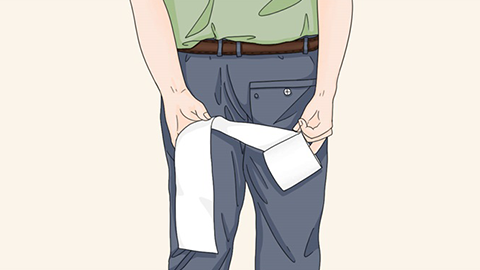
Patients are advised to develop healthy lifestyle habits, maintain a balanced diet, avoid spicy and irritating foods, and follow medical advice for medication. We hope this information helps. Wishing you good health and a happy life.





