


How thick does the endometrium need to be for menstruation to occur?
Sep 13, 2022
Source: Cainiu Health

Dr. Lv Aiming
Introduction
Generally, the thickness of the endometrium determines menstruation. When the endometrial lining reaches a certain thickness, it sheds and is expelled from the body, resulting in menstrual bleeding. Usually, the endometrium gradually thickens several days before the period begins and can exceed 0.8 cm during ovulation. Just before menstruation starts, the endometrial thickness typically reaches about 10 mm, which almost always leads to the onset of menstruation. For most people, this pattern is quite consistent and highly accurate.
During a woman's menstrual period, the thickness of the endometrium (uterine lining) also changes. So, how thick does the endometrium need to be for menstruation to occur?
How Thick Should the Endometrium Be for Menstruation?
Generally, the thickness of the endometrium determines menstruation. When the endometrial lining reaches a certain thickness, it sheds and is expelled from the body, resulting in menstruation. Typically, the endometrium gradually thickens several days before the period begins and can reach over 0.8 cm around ovulation. Just before menstruation starts, the endometrial thickness usually reaches about 10 mm, at which point menstruation typically occurs. For most women, this pattern is fairly consistent and predictable.
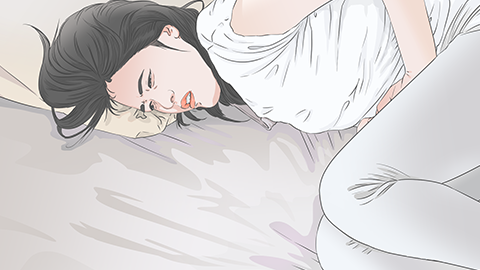
Endometrial thickening may manifest as conditions such as breast hyperplasia, endometrial polyps, bleeding during ovulation, or lymphatic disorders related to menstruation. Sometimes, however, endometrial thickening may not cause any specific symptoms. Obesity can lead to increased estrogen levels in women, which may present as breast hyperplasia, uterine fibroids, or endometrial thickening. Thickened endometrium increases the risk of developing endometrial polyps and may sometimes cause mid-cycle spotting or ovulatory bleeding—these are characteristic signs of endometrial thickening.

Women should avoid eating raw, cold, or spicy foods during their periods. These foods may affect menstruation, leading to reduced menstrual flow or dysmenorrhea (painful periods). It's important to keep the abdomen warm during menstruation and avoid catching a cold. Getting chilled or sick during your period may reduce menstrual flow, lighten the color of menstrual blood, and even potentially lead to amenorrhea (absence of menstruation). We hope this information is helpful. Wishing you good health and happiness!



