


How to prevent synovitis in the elderly
Sep 13, 2022
Source: Cainiu Health

Dr. Lin Yunfei
Introduction
To prevent knee synovitis, it is generally necessary to protect the knee joint and pay attention to regular exercise. To prevent traumatic synovitis, patients should wear knee pads during physical activities to protect the knee joint. Performing proper warm-up exercises before activity and regularly strengthening the muscles around the knee joint can help stabilize the knee and enhance its protective strength.
Synovitis is a condition commonly seen in older adults, as aging leads to a decline in overall physical health. So how can elderly people prevent synovitis?
How to Prevent Synovitis in the Elderly
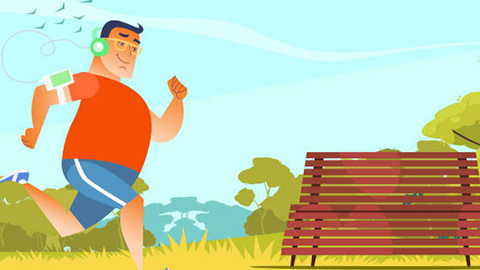
Preventing knee joint synovitis generally involves protecting the knee joints and paying attention to exercise. To prevent traumatic synovitis, individuals should wear knee pads during physical activities to protect their knees. Warming up before exercise and regularly strengthening the muscles around the knee joint can help stabilize the knee, enhance joint support, and prevent injury from external forces. To prevent synovitis caused by osteoarthritis or bone spurs, patients are advised to stay active and choose appropriate forms of exercise such as walking, jogging, or swimming. Proper and effective exercise helps prevent bone spurs and maintains joint flexibility.
Conservative treatment is the first-line approach for managing senile knee synovitis. Generally, oral medications for synovitis are recommended and may be used alongside physical therapy. If clinical symptoms are not severe, patients are advised to follow a standardized exercise program to monitor improvement. For elderly patients with more evident knee osteoarthritis and severe synovitis that does not respond well to medication alone or combined with physical therapy, intra-articular drug injections may be considered. If intra-articular injections prove ineffective, joint replacement surgery might eventually be necessary.
In daily life, it's important to pay attention to your physical health and engage in moderate exercise. We hope this information is helpful. Wishing you good health and a happy life.





