


How to Treat Shoulder Periarthritis Most Effectively and Quickly
Dec 25, 2024
Source: Cainiu Health

Dr. Chen Jian
Introduction
Long-term overexertion or poor posture, such as prolonged desk work, carrying heavy objects, or intense physical exercise, may lead to excessive use of the soft tissues around the shoulder joint, resulting in localized inflammation and causing periarthritis of the shoulder. It is important to get adequate rest and avoid excessive fatigue. Pain can be relieved and blood circulation improved through massage of the shoulder joint.
Generally, there is no such thing as "the fastest and best treatment for periarthritis of the shoulder." Periarthritis of the shoulder may be caused by excessive use of the shoulder joint, exposure to cold, rotator cuff injury, long head of the biceps tendonitis, cervical spondylosis, and other factors. Measures such as general treatment and medication can be taken to improve the condition. Prompt medical attention is necessary, and treatment should follow medical advice. Details are as follows:
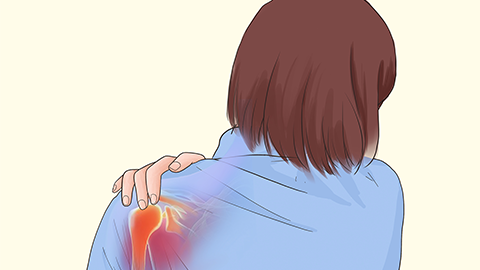
1. Excessive use of the shoulder joint: Long-term overuse or poor posture, such as prolonged desk work, carrying heavy objects, and intense physical exercise, may lead to excessive use of local soft tissues around the shoulder joint, causing inflammation and resulting in periarthritis of the shoulder. Rest should be enhanced and overexertion avoided. Pain can be relieved and blood circulation improved through massage of the shoulder joint.
2. Exposure to cold: Cold weather or chilling of the shoulder area can affect local blood circulation, leading to microcirculation disorders, which may cause soft tissue inflammation and result in periarthritis of the shoulder. Warming measures should be taken to protect the shoulder joint, and prolonged exposure to cold environments should be avoided.
3. Rotator cuff injury: Rotator cuff injuries refer to degeneration and damage of the rotator cuff tendons. Such injuries may be caused by chronic strain, acute trauma, or shoulder impingement. After a rotator cuff injury, the stability of the shoulder joint may be affected, leading to periarthritis of the shoulder. Anti-inflammatory medications such as celecoxib capsules, meloxicam tablets, and prednisone acetate tablets may be used following medical advice.
4. Long head of the biceps tendonitis: Long head of the biceps tendonitis is an aseptic inflammation caused by chronic strain or acute injury of the long head of the biceps tendon. This inflammation may cause pain and restricted movement in the shoulder joint, potentially developing into periarthritis of the shoulder. Anti-inflammatory and analgesic medications such as aspirin enteric-coated tablets, indomethacin suppositories, and flurbiprofen sustained-release tablets may be used under medical guidance.
5. Cervical spondylosis: Cervical spondylosis may compress nerve roots or the spinal cord, causing referred or radiating pain in the shoulder area. Untreated cervical spondylosis over a long period may lead to periarthritis of the shoulder, accompanied by neck pain. Anti-inflammatory and analgesic medications such as compound paracetamol amine tablets, ibuprofen sustained-release capsules, and eperisone hydrochloride tablets may be used following medical advice.
During treatment, corresponding measures should be taken based on the specific cause, and attention should be paid to preventive measures such as adequate rest, warmth, and appropriate exercise.




