


What to eat for yin deficiency supplementation
Sep 13, 2022
Source: Cainiu Health

Dr. He Haochen
Introduction
People with yin deficiency should consume foods that have nourishing yin effects. However, since yin deficiency commonly manifests as lung yin deficiency, liver yin deficiency, and kidney yin deficiency, dietary priorities vary slightly depending on the specific condition. For those with lung yin deficiency, it is advisable to eat foods that nourish yin and moisten the lungs, such as lily bulbs, white fungus, and bird's nest. For those with liver yin deficiency, foods that nourish yin and soothe the liver are recommended.
Yin deficiency is a very common medical condition and one that most people may experience at some point. The occurrence of yin deficiency may lead to symptoms such as soreness and pain in the lower back and knees, thereby affecting daily life. So, what should one eat to nourish yin?
What to Eat for Yin Deficiency
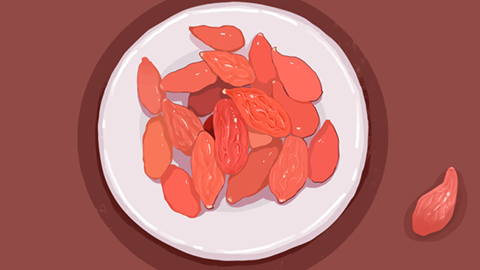
Individuals with yin deficiency should consume foods that have nourishing-yin properties. However, because yin deficiency commonly manifests in different forms—such as lung yin deficiency, liver yin deficiency, and kidney yin deficiency—the dietary focus may vary slightly depending on the specific condition. For those with lung yin deficiency, it's advisable to eat foods that nourish yin and moisten the lungs, such as lily bulbs, white fungus (silver ear), bird's nest, etc. For individuals with liver yin deficiency, foods that nourish yin and soothe the liver are recommended, such as soft-shelled turtle, oysters, duck eggs, etc. For those suffering from kidney yin deficiency, foods that tonify the kidneys and nourish yin are beneficial, such as pork, mulberries, and goji berries. Patients should also minimize intake of greasy, pickled, or otherwise unhealthy foods, limit spicy and irritating foods, and avoid consuming strong alcoholic beverages, coffee, and strong tea.
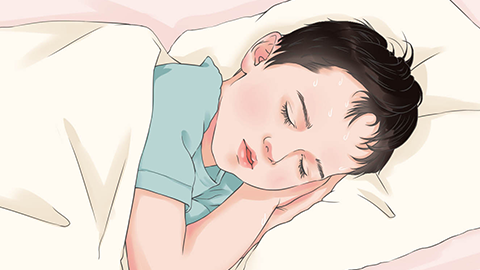
Yin deficiency refers to a lack of yin fluids in the body, leading to an imbalance between yin and yang. If the body’s internal environment becomes too dry due to insufficient yin, normal physiological functions may be disrupted. Common symptoms of yin deficiency include insomnia, dizziness, night sweats, and in some cases, weakness in the lower back and legs or general fatigue in the limbs. Once yin deficiency develops, timely treatment is necessary to restore health.
It is recommended that patients maintain a light diet and engage in moderate exercise to enhance immunity. We hope this response has been helpful. Wishing you good health and a happy life.


