


Symptoms of acute parotitis
Sep 13, 2022
Source: Cainiu Health

Dr. Zhang Liwen
Introduction
Symptoms of acute parotitis include swelling and pain in the parotid gland, fever, and chills. Swelling and pain in the parotid gland are the most prominent symptoms of viral parotitis. At onset, the swollen and painful area spreads forward, backward, and downward from the earlobe as the center. Pain is明显 upon pressing and worsens when opening the mouth or chewing. As the condition progresses, the submandibular and sublingual glands may also become involved.
Mumps can be further divided into acute viral mumps and bacterial mumps. This disease is highly contagious, especially acute viral mumps, which may lead to widespread outbreaks. Therefore, once infected, patients must be isolated and actively treated; otherwise, their daily work and studies may be affected. So, what are the symptoms of acute mumps?
Symptoms of Acute Mumps
The symptoms of acute mumps include swelling and pain in the salivary glands, fever, and chills. Swelling and pain in the parotid gland are the most obvious signs of viral mumps. When the disease occurs, the swollen and painful area centers around the earlobe and spreads forward, backward, and downward. Pain significantly increases when pressing on the area or when opening the mouth and chewing. As the condition worsens, the submandibular and sublingual glands may also become involved, showing symptoms of swelling and pain. Three to five days after the onset of swelling, body temperature rises, typically presenting as a mild to moderate fever around 38°C.
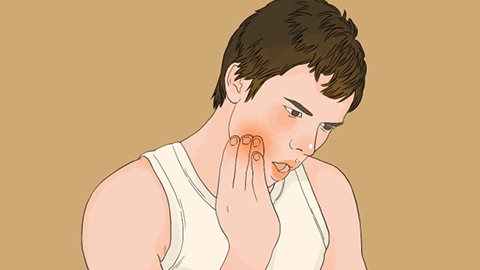
To prevent mumps, patients are advised to maintain good oral hygiene. Since the virus primarily resides in saliva, maintaining oral cleanliness helps reduce viral load. Mouthwash solutions can be used during acute episodes to rinse the mouth, helping prevent worsening of acute mumps. Secondly, controlling inflammation during acute flare-ups is essential. It is recommended to use antibiotics under professional guidance for diagnosis and treatment of inflammatory conditions.
In daily life, patients should maintain a positive mindset, actively cooperate with doctors for treatment, take medications on time and as prescribed, and pay attention to daily care to promote faster recovery. We hope this information is helpful to you. Wishing you good health and happiness.




