


Causes of Mumps
Aug 24, 2022
Source: Cainiu Health

Dr. Zhang Liwen
Introduction
Most cases of acute parotitis are caused by retrograde infection, with *Staphylococcus aureus* being the most common pathogen; only a small number of patients may be infected by *Streptococcus pneumoniae*, which normally resides in the oral cavity. In patients with severe systemic illnesses—such as chronic debilitating diseases or sepsis—the body’s immune defenses are compromised, allowing these bacteria to invade the parotid gland tissue and trigger disease.
After developing acute parotitis, the body exhibits various symptoms, the most characteristic of which is swelling and pain in the parotid glands. As the disease progresses, some patients may also develop systemic symptoms such as high fever. If this occurs, prompt medical attention is essential to prevent disease progression and complications. What causes parotitis?
Causes of Parotitis
Most cases of acute parotitis result from retrograde infection, with Staphylococcus aureus being the most common causative pathogen; only a small number of cases are caused by Streptococcus pneumoniae. These bacteria normally reside in the oral cavity. In patients with severe systemic illnesses—such as chronic debilitating diseases or sepsis—their immune defenses are compromised, allowing these bacteria to invade the parotid gland tissue and trigger infection. Additionally, following onset of the disease, patients often develop high fever and impaired masticatory function, leading to reduced salivary secretion and facilitating retrograde bacterial invasion from the oral cavity. In some patients, immunosuppression secondary to acute parotitis itself is the primary underlying cause—a relatively common contributing factor.
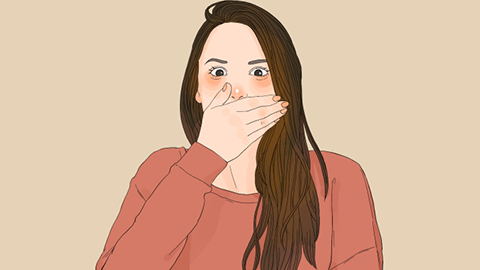
In clinical practice, acute parotitis is also referred to as acute suppurative parotitis. Its predominant causative organism is Staphylococcus aureus. The disease has an abrupt onset. A fundamental predisposing factor is severe dehydration, resulting in markedly decreased or even absent salivary secretion. In most cases, involvement is unilateral. Early symptoms are relatively mild but include glandular swelling and conspicuous local skin erythema and edema. Systemic manifestations such as high fever and tachypnea may also appear. Routine blood tests typically reveal leukocytosis with a marked increase in neutrophil percentage.
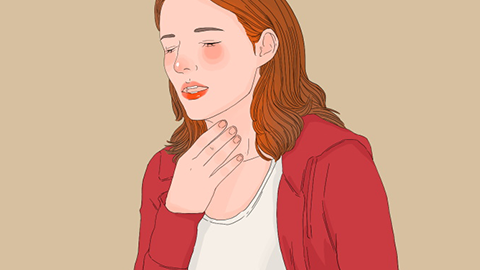
Avoid spicy and irritating foods, as they may exacerbate inflammation and worsen the condition. Moreover, children with acute parotitis should limit intake of high-fiber vegetables. If fever is present, raw or cold foods should be avoided. We hope this information is helpful to you.




