


Can cupping be used for a sprained ankle?
Nov 04, 2022
Source: Cainiu Health

Dr. Chen Jian
Introduction
Cupping therapy creates negative pressure locally, and its application may lead to increased local bleeding and worsened swelling. Therefore, cupping is not recommended during the early stage of ankle sprain or ankle swelling, to avoid exacerbating hemorrhage and swelling. Instead, local immobilization, elevation of the affected limb, and cold compress within the first 24 hours are recommended.
A sprained foot refers to a foot injury caused by twisting. During the early stage of a foot sprain, especially in the acute phase, cupping therapy is generally not recommended; however, cupping may be performed during the non-acute phase. The analysis is as follows:
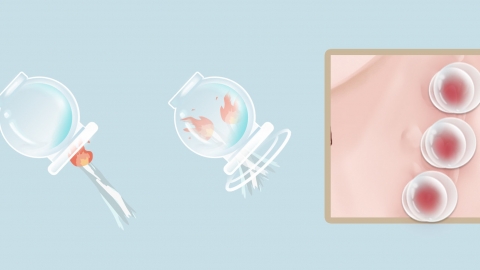
Cupping creates negative pressure locally. Applying cupping therapy may exacerbate local bleeding and swelling. Therefore, cupping is not recommended during the early stages of ankle sprains or when there is ankle swelling, as it could worsen bleeding and swelling. Instead, local immobilization and elevating the affected limb are advised. Cold compresses within the first 24 hours help constrict blood vessels, reducing bleeding and pain. After 24 hours, warm compresses can promote absorption of inflammation and relieve swelling.
After the symptoms of a foot sprain have somewhat subsided, cupping therapy may be applied. It can effectively promote local blood circulation and provide anti-inflammatory and pain-relieving effects. However, completely curing a foot sprain solely through cupping remains challenging. After receiving cupping treatment for a sprained foot, avoid putting excessive strain on the foot and refrain from prolonged standing to prevent worsening of the condition. When sleeping, elevate the ankle to effectively facilitate blood return.
During recovery, ensure adequate rest and avoid strenuous activities. Maintain a light, nutritious diet and avoid spicy or irritating foods such as barbecues and hot pots.






