


What to do about acne after removing makeup
Oct 27, 2022
Source: Cainiu Health
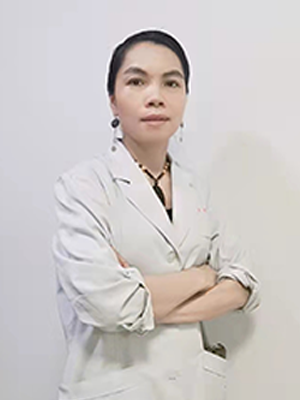
Dr. Huang Lingjuan
Introduction
Acne after removing makeup is a chronic inflammatory disease of the hair follicles and sebaceous glands, caused by multiple factors. The main factors include increased androgen secretion, excessive sebum production, hyperkeratosis of the follicular infundibulum and sebaceous ducts, and proliferation of Propionibacterium acnes. Symptoms can be improved by selecting general treatment, drug therapy, or other treatments according to the clinical presentation.
Acne after makeup removal is a chronic inflammatory follicular sebaceous gland disease caused by multiple factors. The main contributing factors include increased androgen secretion, excessive sebum production, hyperkeratosis of the follicular infundibulum and sebaceous ducts, and proliferation of *Propionibacterium acnes*. Symptoms can be improved through general management, medication, or other therapies based on clinical presentation.
I. General Management
Maintain a regular sleep schedule and avoid staying up late; aim to fall asleep before 11 p.m. Adjust dietary habits—avoid high-fat, high-sugar, and spicy foods during illness. Maintain a balanced diet rich in vegetables and fruits, and ensure daily bowel movements. Maintain a positive mood, as good emotional health keeps the parasympathetic nervous system appropriately active, promoting skin vasodilation, increased blood flow, enhanced metabolism, and thus healthier, rosy, and lustrous skin. Regular exercise improves the skin’s absorption of oxygen and negative oxygen ions, accelerates waste elimination, increases blood oxygen-carrying capacity, and helps maintain healthy skin.
II. Medication
For mild cases, topical comedolytic agents such as tretinoin cream or adapalene gel may be used to reduce keratinization and adhesiveness of follicular epithelial cells, thereby decreasing microcomedo formation and accelerating comedo expulsion. Topical antibiotics such as fusidic acid cream may also be applied for antibacterial and anti-inflammatory effects. For moderate to severe inflammatory acne, oral antibiotics such as doxycycline hydrochloride tablets may be added.
III. Other Treatments
1. Photodynamic Therapy (PDT)
PDT suppresses sebum secretion, kills *Propionibacterium acnes*, modulates immune response, improves excessive keratinization of follicular keratinocytes, and prevents or reduces scar formation. Therefore, it serves as an alternative treatment option when systemic drug therapy fails or yields suboptimal results in moderate-to-severe or severe acne.
2. Red and Blue Light Therapy
This therapy has antibacterial and anti-inflammatory effects against *Propionibacterium acnes* and also promotes skin repair, making it suitable as an adjunctive treatment alongside medications.
If symptoms do not improve with general management, prompt medical consultation is recommended, and treatment should be followed as directed by a healthcare provider. Maintain a balanced diet, minimizing intake of high-sugar, high-fat, and spicy foods such as cakes, milk tea, french fries, fried chicken, fried dough sticks, and fatty meats. Increase consumption of fruits, vegetables, legumes, and high-fiber foods. Balance work and rest, maintain regular作息, avoid staying up late, and keep a positive mindset with appropriate relaxation to prevent prolonged mental stress. Strengthen physical exercise and ensure regular bowel movements every day.




