


Red mark on the chin
Oct 28, 2022
Source: Cainiu Health

Dr. Liu Wenmin
Introduction
Redness on the chin may be caused by external friction, skin allergies, seborrheic dermatitis, acne, or perioral dermatitis, and can be improved according to the specific condition. It is recommended to seek timely medical attention and receive treatment under a doctor's guidance. Avoid wearing masks that are too tight, and choose appropriate mask size and material. Reduce bad habits such as resting your chin on your hand to prevent excessive skin friction.
Red marks on the chin may be caused by external friction, skin allergy, seborrheic dermatitis, acne, or perioral dermatitis. Appropriate measures can be taken depending on the specific cause. It is recommended to seek timely medical attention and receive treatment under a doctor's guidance.
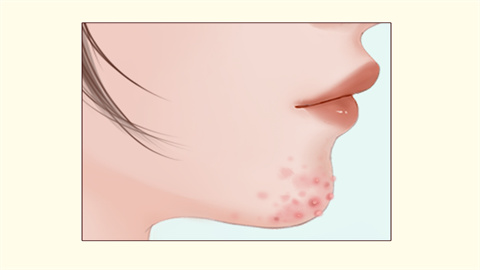
1. External Friction
Tight-fitting masks, prolonged chin resting, or clothing rubbing against the skin can lead to friction on the chin area, resulting in red marks. Avoid wearing overly tight masks and choose properly fitting masks made of suitable materials. Reduce habits such as resting your chin on your hand to prevent excessive skin friction.
2. Skin Allergy
Exposure to allergens such as cosmetics, food, pollen, or dust mites may trigger an allergic reaction on the chin, causing redness often accompanied by itching or stinging. First, avoid contact with known allergens and discontinue use of any suspected cosmetic or food product. Symptoms may be relieved with cold compresses, such as applying a cold towel or ice pack to the affected area.
3. Seborrheic Dermatitis
Seborrheic dermatitis may be related to overactive sebaceous glands or Malassezia fungal infection. Persistent inflammatory stimulation can result in red marks on the chin. Under medical supervision, patients may apply topical medications such as desonide cream, hydrocortisone cream, or sulfur ointment to relieve symptoms.
4. Acne
Overproduction of sebum in the chin area can clog pores and promote the growth of *Propionibacterium acnes*, leading to acne lesions and red marks, often accompanied by blackheads, papules, or pustules. Maintain good chin hygiene using gentle facial cleansers and avoid oily or greasy cosmetics. Follow a doctor’s advice when using medications such as erythromycin ointment, fusidic acid sodium ointment, or tretinoin cream to improve symptoms.
5. Perioral Dermatitis
This condition may be associated with long-term use of topical corticosteroids, fluoride-containing toothpaste, or hormonal imbalances. It typically presents as redness, papules, and scaling around the mouth and chin, accompanied by itching or a burning sensation. Discontinue use of potential triggers such as corticosteroids and fluoride toothpaste, and avoid habits like lip licking or biting. Under medical guidance, patients may use triamcinolone acetonide acetic acid cream, chlortetracycline hydrochloride ointment, or clotrimazole cream to alleviate discomfort.
In daily life, it is important to develop healthy habits, ensure adequate sleep, avoid staying up late, and maintain a positive mood while minimizing anxiety and irritability, all of which contribute to overall health.




