


How to Prevent H7N9 Avian Influenza
Dec 29, 2022
Source: Cainiu Health

Dr. Jiang Weimin
Introduction
Avian influenza A (H7N9) is a novel type of avian flu. The incubation period for human infection with avian influenza A (H7N9) is generally within 7 days. The source of infection includes birds affected by avian influenza outbreaks and birds suspected of carrying the virus in areas with potential avian flu outbreaks. Patients typically present with flu-like symptoms such as fever, cough, and minimal sputum production, which may be accompanied by headache, muscle pain, and general malaise.
H7N9 is a novel subtype of avian influenza virus that can spread through human-to-human transmission or via contact between humans and infected poultry. So, how can H7N9 avian influenza be prevented?
How to Prevent H7N9 Avian Influenza
First, control the source of infection. The primary sources of this disease are birds affected by avian influenza outbreaks and those from suspected outbreak areas, which should be captured and safely disposed of as soon as possible. Second, cut off transmission routes. Individuals who have been active in areas experiencing outbreaks or who are suspected of being infected should restrict their movements and avoid contact with healthy individuals. Third, protect susceptible populations. Enhanced protection measures should be implemented for people living in densely populated areas, especially elderly individuals and children with weakened immune systems. Wearing masks and frequent handwashing are essential when visiting public places, and regular daily disinfection should be carried out in relevant areas.
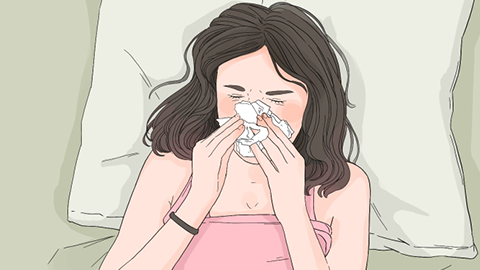
Influenza A H7N9 is a newly emerged avian influenza strain. The incubation period for human infection with Influenza A H7N9 is generally within 7 days. Infected individuals typically present with flu-like symptoms such as fever, cough, and minimal phlegm, possibly accompanied by headache, muscle pain, and general malaise. In severe cases, the illness progresses rapidly, manifesting as severe pneumonia, with persistent high fever (mostly above 39°C), difficulty breathing, and sometimes blood-tinged sputum. The condition may quickly deteriorate into acute respiratory distress syndrome, mediastinal emphysema, sepsis, shock, impaired consciousness, and acute kidney injury.

In daily life, proper preventive measures should be taken. If avian influenza infection is suspected, prompt medical attention and treatment are essential. We hope this information has been helpful. Wishing you good health and happiness!





