


What pathogens may be present in undercooked chicken?
Feb 13, 2025
Source: Cainiu Health

Dr. Bai Hongmei
Introduction
Undercooked chicken may contain pathogens such as Salmonella, Campylobacter, Escherichia coli (E. coli), Staphylococcus aureus, avian influenza virus, and others. To avoid infection from these pathogens, it is recommended to ensure chicken is thoroughly cooked, prevent cross-contamination between raw and cooked foods, and maintain proper hygiene during food storage and preparation. If symptoms of food poisoning occur, seek medical attention immediately and inform the physician about the possible food source.
Generally, undercooked chicken may contain pathogens such as Salmonella, Campylobacter, Escherichia coli (E. coli), Staphylococcus aureus, and avian influenza virus. Details are as follows:
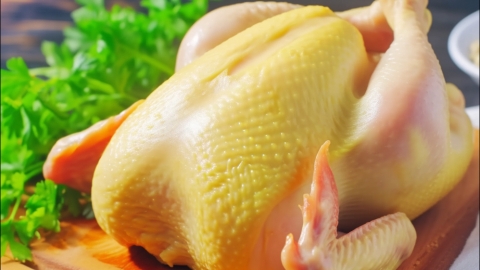
1. Salmonella: Salmonella is a common foodborne pathogenic bacterium found in the intestines of various animals, and chicken is a common carrier. Consuming undercooked chicken contaminated with Salmonella may cause Salmonella food poisoning, leading to symptoms such as fever, diarrhea, abdominal pain, nausea, and vomiting.
2. Campylobacter: Campylobacter commonly exists in the intestines and feces of poultry. Chicken can easily become contaminated during processing and handling. After human infection with Campylobacter, main symptoms include fever, diarrhea, and abdominal pain, with diarrhea ranging from watery stools to mucoid or bloody stools.
3. Escherichia coli (E. coli): E. coli is a normal bacterial flora in the intestines of humans and animals; however, certain serotypes of E. coli are pathogenic, such as enterohemorrhagic E. coli. Consuming undercooked chicken contaminated with these E. coli strains may lead to intestinal infections, causing symptoms such as diarrhea, abdominal pain, and bloody stools.
4. Staphylococcus aureus: This bacterium can exist on the skin and feathers of chickens. Chicken meat may become contaminated during processing and storage, and if not thoroughly cooked, it may cause food poisoning. Symptoms of poisoning include nausea, severe vomiting, abdominal pain, and diarrhea.
5. Avian Influenza Virus: Some chickens may carry the avian influenza virus. If chicken meat contaminated with this virus is not fully cooked, it may infect humans and cause avian influenza. Patients typically present with high fever, cough, and difficulty breathing. In severe cases, it can progress to acute respiratory distress syndrome.
To avoid infections from these pathogens, it is recommended to ensure chicken is thoroughly cooked, avoid cross-contamination between raw and cooked foods, and maintain hygiene during food storage and preparation. If symptoms of food poisoning occur, seek immediate medical attention and inform the doctor about the possible food source.







