


How to Manage Lumbar Disc Herniation
Sep 24, 2026
Source: Cainiu Health

Dr. Chen Jian
Introduction
Lumbar disc herniation can be managed through various approaches, including daily posture adjustments, physical therapy, topical medications, oral medications, and surgical intervention. When the nucleus pulposus herniates, it may compress spinal nerve roots, leading to low back and leg pain or numbness. Treatment selection should be based on the severity of the condition to alleviate pressure and irritation on the affected nerves. If symptoms such as urinary or fecal incontinence or sudden, significant weakness in the lower limbs occur, prompt medical evaluation and treatment at a hospital are strongly recommended.
Lumbar disc herniation can be managed through various approaches, including daily posture adjustments, physical therapy, topical medications, oral medications, and surgical intervention. When the nucleus pulposus herniates, it may compress spinal nerve roots, leading to low back and leg pain, numbness, or tingling. Treatment selection should be tailored according to disease severity to alleviate nerve compression and irritation. If symptoms such as urinary or fecal incontinence or sudden, significant decline in lower-limb muscle strength occur, prompt medical evaluation and treatment are strongly recommended.
1. Daily Posture Adjustment:
Avoid prolonged sitting or standing. Maintain an upright posture with a straight lumbar spine while seated, and use a mattress of moderate firmness. When lifting objects, bend at the knees and squat rather than bending at the waist—this reduces mechanical stress on the lumbar spine, prevents further disc extrusion, and minimizes recurrent discomfort.
2. Physical Therapy:
Therapeutic modalities—including traction, heat application, and medium-frequency electrotherapy—help relax lumbar and paraspinal muscles, increase intervertebral space, and thereby reduce disc-induced nerve root compression. These interventions also improve local blood circulation in the lumbar region, relieve muscle spasm, and promote restoration of lumbar stability.
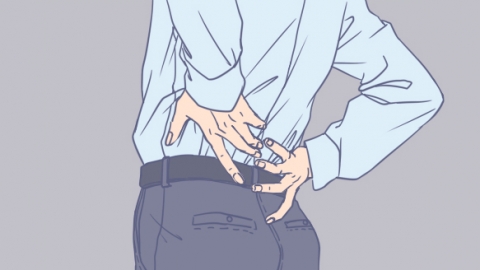
3. Topical Medications:
When the skin over the painful lumbar area is intact, anti-inflammatory and analgesic topical agents may be applied. These medications act directly at the site of pathology to relieve localized soreness and aching. Local absorption minimizes systemic drug exposure and associated bodily burden.
4. Oral Medications:
When pain and neurological symptoms (e.g., radicular pain or paresthesia) are pronounced, oral anti-inflammatory analgesics and neurotrophic agents may be prescribed. These help reduce nerve root edema and inflammation and alleviate lower-limb numbness or sharp, shooting pain. Monitor gastrointestinal tolerance and overall systemic response during treatment.
5. Surgical Intervention:
Surgery may be considered when conservative management fails and severe, persistent nerve root compression persists. Procedures aim to decompress affected nerve roots by removing herniated disc material and excising pathological structures, thereby improving lumbar and lower-limb mobility and reducing the risk of permanent neurological damage.
During leisure time, practice gentle, low-impact exercises targeting the lumbar and paraspinal musculature to strengthen core support and stabilize the lumbar spine. Progress gradually and avoid sudden twisting or forceful movements that could trigger pain.




