


When Does a Lumbar Disc Herniation Require Surgery?
Jun 17, 2026
Source: Cainiu Health

Dr. Li Feng
Introduction
In general, surgical treatment for lumbar disc herniation may be considered when conservative management fails, during acute exacerbations with severe symptoms, in cases of significant neurological impairment, or when accompanied by other lumbar spine disorders. If you experience any discomfort, prompt medical consultation is recommended. Specific recommendations are as follows: Maintain proper lumbar care in daily life—avoid prolonged sitting or standing, bending while lifting heavy objects, and other activities that strain the lower back.
Generally, surgery for lumbar disc herniation may be indicated when conservative treatment fails, during acute exacerbations with severe symptoms, in cases of significant nerve damage, or when coexisting with other lumbar spine disorders. If you experience any discomfort, prompt medical consultation is recommended. A detailed analysis follows:
1. Failure of Conservative Treatment
Conventional conservative approaches—including bed rest, physical therapy, and pharmacological management—can effectively alleviate mild lumbar discomfort. However, in refractory cases of lumbar disc herniation, prolonged conservative treatment fails to relieve symptoms such as low back and leg pain or numbness, which recur persistently. Surgical intervention may then be warranted to improve the condition.
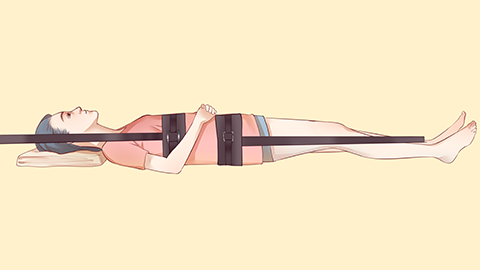
2. Severe Symptoms During Acute Exacerbation
During an acute flare-up of lumbar disc herniation, patients often experience intense pain in the lower back and lower limbs, rendering them unable to lie flat, stand, or walk normally. As the pain progressively worsens and remains unrelieved by conventional measures, timely surgical intervention is necessary to halt disease progression.
3. Significant Nerve Damage
Prolonged compression of lumbar nerve roots by herniated disc material can lead to neurological impairment. Clinical manifestations include persistent lower-limb numbness and progressive muscle weakness; some patients may develop difficulty lifting their legs or unsteady gait. Prompt surgical decompression can relieve nerve root compression.
4. Coexistence with Other Lumbar Spine Disorders
When lumbar disc herniation occurs concurrently with conditions such as lumbar spinal stenosis, spondylolisthesis, or osteophyte formation, overall lumbar structural integrity is compromised. Conservative management alone cannot adequately address multiple concurrent spinal pathologies; therefore, surgical correction of lumbar anatomy and removal of pathological tissue are required.
In daily life, prioritize lumbar spine health by avoiding prolonged sitting or standing, heavy lifting with flexed posture, and maintaining proper posture. Consistently perform moderate exercises targeting the lumbar and paraspinal muscles to strengthen core musculature and enhance lumbar stability. Seek timely medical evaluation and intervention if recurrent lumbar discomfort occurs.








