How to treat glomerular hematuria
Dec 29, 2022
Source: Cainiu Health

Dr. Wang Xueying
Introduction
Patients with glomerular-related diseases may present with hematuria. However, if a patient exhibits only hematuria without associated proteinuria, edema, hypertension, or other related conditions, treatment is generally not required. Isolated hematuria has minimal impact on kidney disease and does not worsen the condition; regular follow-up is recommended. Common clinical glomerular disorders include acute and chronic glomerulonephritis, diabetic nephropathy, among others.
In daily life, some people may experience hematuria (blood in urine) due to inflammation of the glomeruli. So how is glomerular hematuria treated?
How Is Glomerular Hematuria Treated?
Patients with glomerular-related diseases may present with hematuria. However, if a patient only has hematuria without associated conditions such as proteinuria, edema, or hypertension, treatment may not be necessary. Isolated hematuria generally has little impact on kidney function and does not worsen underlying disease; regular follow-up monitoring is recommended. Common clinical glomerular disorders include acute and chronic glomerulonephritis, diabetic nephropathy, etc. Treatment should be based on the specific cause and condition of each patient. It's important to avoid staying up late, overexertion, and activities that could damage the kidneys. Maintain a light diet, avoid spicy and irritating foods, and limit intake of high-protein foods.
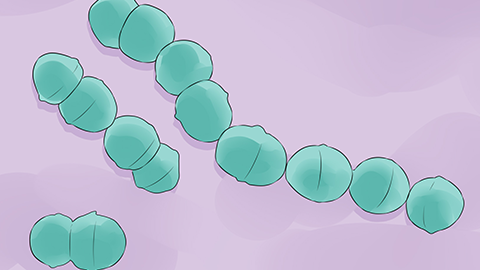
Nephritis refers to non-pyogenic inflammatory lesions affecting both kidneys. Damage to the renal corpuscles manifests as symptoms such as swelling, hypertension, and proteinuria, making it the most common type of kidney disease. There are many types of nephritis (including acute glomerulonephritis, chronic glomerulonephritis, pyelonephritis, occult nephritis, allergic purpuric nephritis, lupus nephritis). Nephritis is one of the immune-mediated diseases—an inflammatory response caused by immune mechanisms in the kidney. Different microbial antigens infecting the body trigger the production of various antibodies, forming distinct immune complexes. According to the Institute of Nephrology Research at the Chinese Academy of Sciences, pathological damage resulting from deposition of these complexes in different parts of the kidney leads to different types of nephritis.
It is advisable to focus on proper nutrition and physical exercise to enhance immunity and resistance, thereby preventing diseases from affecting daily life. We hope this answer helps you. Wishing you good health and happiness!