


What are the traditional Chinese medicine methods for treating avascular necrosis of the femoral head?
Dec 29, 2022
Source: Cainiu Health

Dr. Lin Yunfei
Introduction
After the occurrence of avascular necrosis of the femoral head, traditional Chinese medicine treatments may include local massage or acupuncture and tuina therapy to promote local blood circulation, unblock meridians, and relieve pain. Additionally, herbal medicines with functions such as promoting blood circulation, removing blood stasis, and tonifying kidney yang may be used as adjunctive therapy, including herbs like Eucommia (Duzhong), Angelica sinensis (Danggui), Safflower (Honghua), Cissampelos pareira (Shenjincǎo), and Spatholobus suberectus (Jixueteng).
Avascular necrosis of bone is a common clinical condition that affects people's daily lives. It can be treated and alleviated through traditional Chinese medicine (TCM) therapies. What are the TCM treatment methods for avascular necrosis of the femoral head?
What Are the TCM Treatment Methods for Avascular Necrosis of the Femoral Head?
After the onset of avascular necrosis of the femoral head, TCM treatments typically involve local massage or therapies such as acupuncture and tuina (Chinese therapeutic massage), aiming to improve local blood circulation, unblock meridians, and relieve pain. Additionally, herbal medicines with functions of promoting blood circulation, removing blood stasis, and tonifying kidney yang may be used as adjunctive treatments, including herbs like Eucommia (Duzhong), Angelica sinensis (Danggui), Safflower (Honghua), Cissampelos pareira (Shenjincǎo), and Spatholobus suberectus (Jixueteng).
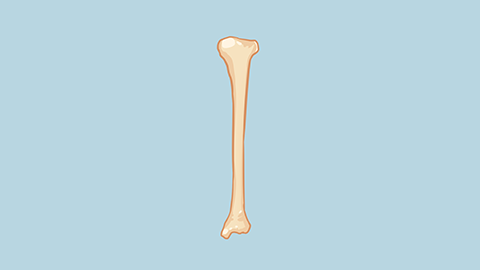
The specific symptoms of avascular necrosis of the femoral head are as follows: The main symptom is pain, which initially may be vague or present as a dull ache. As the disease progresses, the pain intensifies and may occur in areas including the groin, buttocks, front of the thigh, and knee joint—commonly described as "hip disease causing knee pain." Pain may lead to misdiagnosis; early-stage pain might not be obvious, or there may be temporary relief during a prolonged painful period, leading patients to overlook the condition. Functional limitations include restricted range of motion, particularly internal rotation and flexion, with internal rotation limitation being especially noticeable. Reduced mobility is associated with the severity, progression, and rate of development of the femoral head necrosis.
In daily life, one should pay attention to their physical health. If any discomfort is noticed, it is important to seek timely medical examination and treatment at a hospital to avoid negative impacts on daily activities and overall health. We hope this response has been helpful to you. Wishing you good health and happiness!




