


Long-term late-night熬夜 causing tinnitus
Dec 29, 2022
Source: Cainiu Health

Dr. Jiang Weimin
Introduction
Staying up late puts the brain in an excited state, which requires a large amount of blood supply. Otherwise, discomforts such as dizziness and headaches may occur. Because blood flow is prioritized to meet the brain's needs, less blood reaches the ears, leading to prolonged ischemia and hypoxia in the ears, which may result in symptoms such as hearing loss and tinnitus.
With the widespread use of electronic devices and societal development, staying up late has become a lifestyle choice among young people. But what about long-term sleep deprivation and tinnitus?
Long-term sleep deprivation and tinnitus
When staying up late, the brain remains in an excited state and requires a large supply of blood. Otherwise, symptoms such as dizziness and headaches may occur. As the brain's demand for blood is prioritized, blood flow to the ears decreases. Prolonged ischemia and hypoxia in the ears may lead to hearing loss or tinnitus.

Additionally, chronic sleep deprivation may damage the liver and kidneys. When the kidneys do not get sufficient rest, it can result in insufficient kidney qi, which is also a known cause of tinnitus. Long-term lack of sleep can damage the nervous system, leading to persistent tinnitus resembling the sound of cicadas, accompanied by symptoms such as hearing loss and headaches. Patients are advised to ensure adequate rest, avoid staying up late whenever possible, and engage in light activities such as walking after meals, which can also promote better sleep. If tinnitus persists despite these measures, hearing tests, brain MRI scans, and evaluations for organic lesions should be performed.
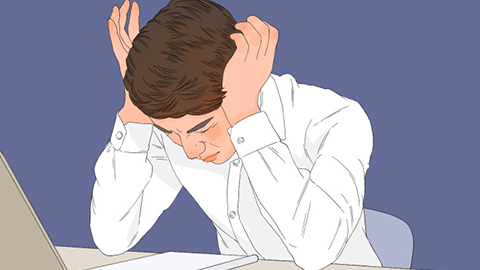
Patients should pay attention to daily habits, as tinnitus is influenced by many lifestyle factors. Maintaining a balanced diet and establishing a scientifically sound rest schedule can help reduce tinnitus symptoms. Moreover, patients should maintain psychological calmness and avoid significant emotional fluctuations. We hope this information is helpful to you. Wishing you good health and a happy life!




